Exploration of Texture
Exploration of Texture
Exploration of Texture
Photography
Print & Publication
Photography
Print & Publication
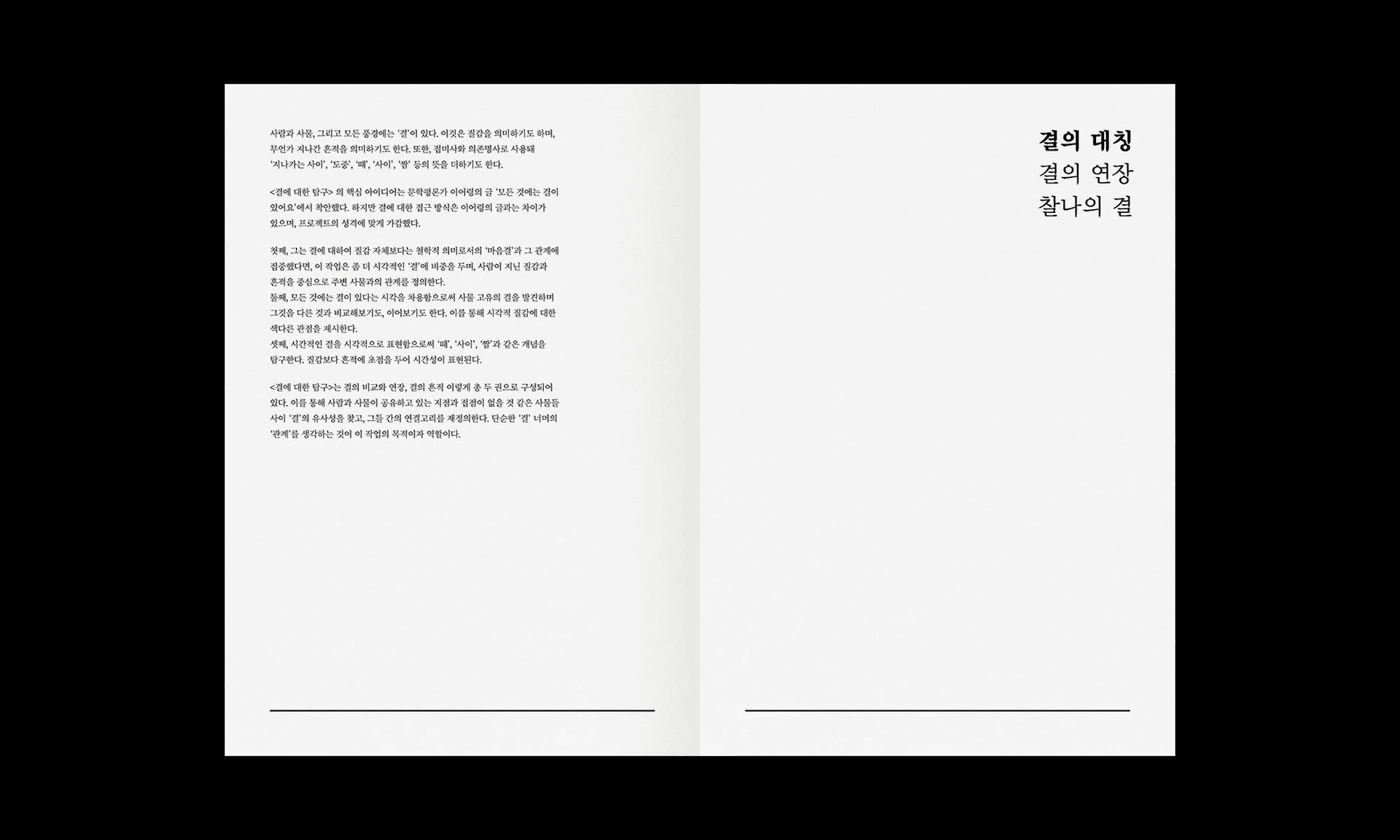
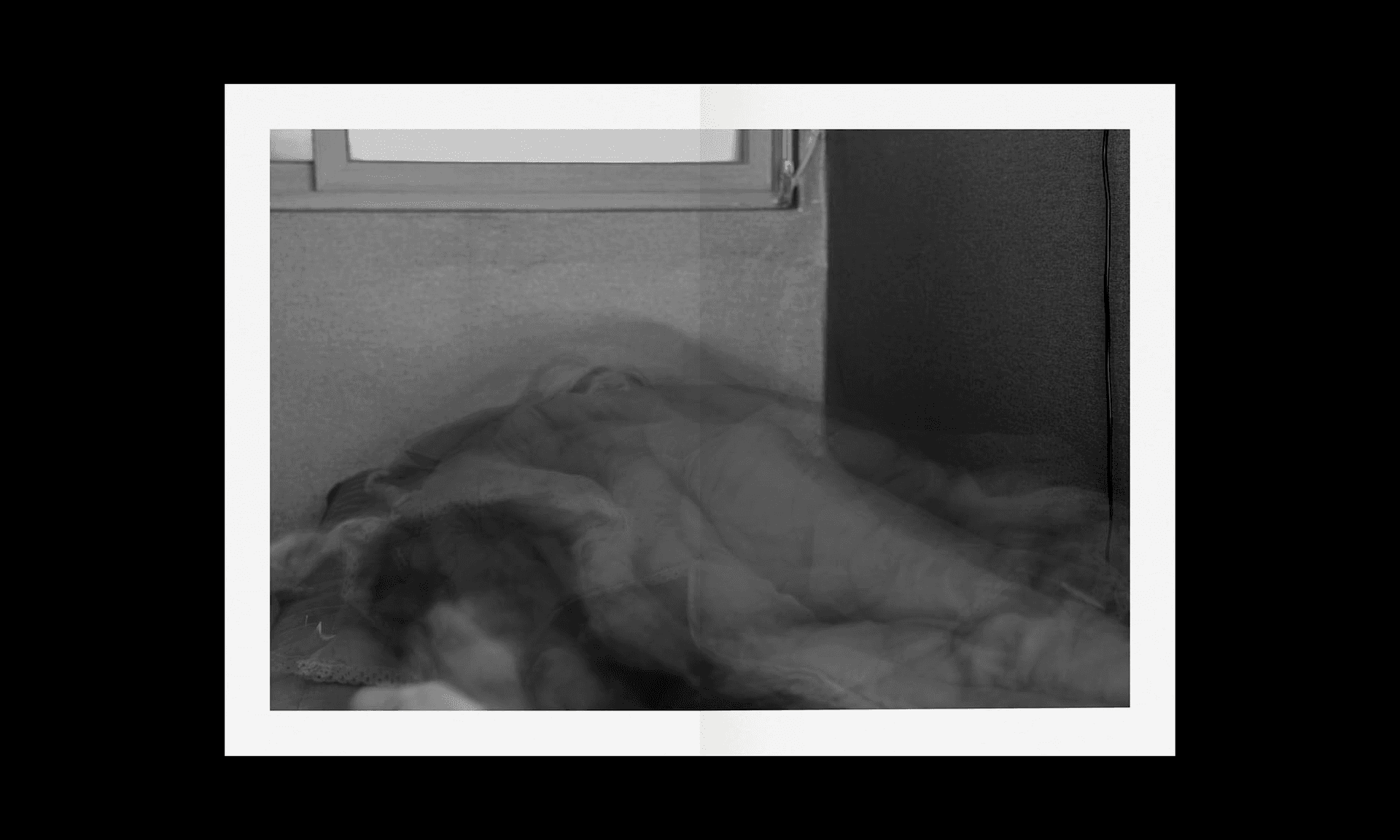
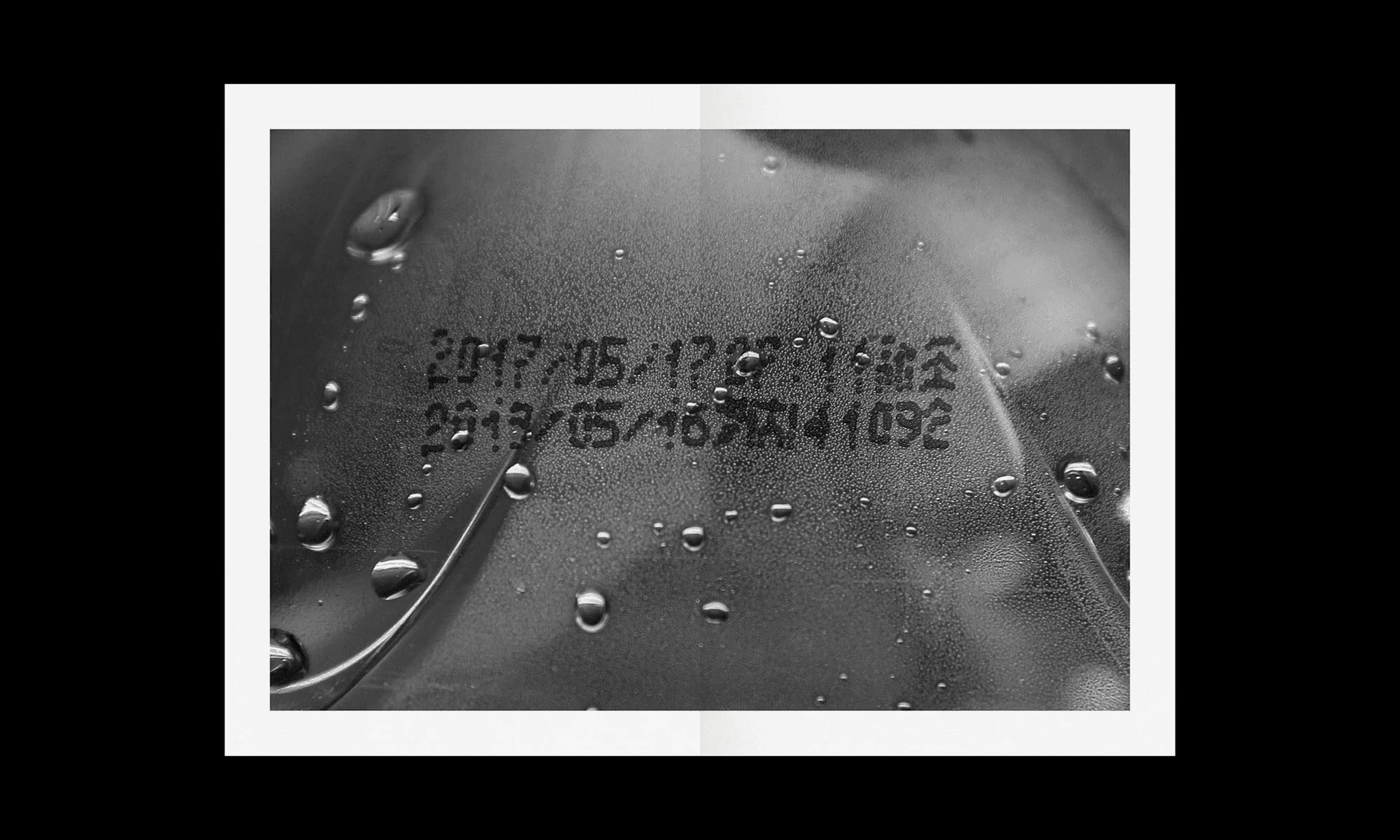
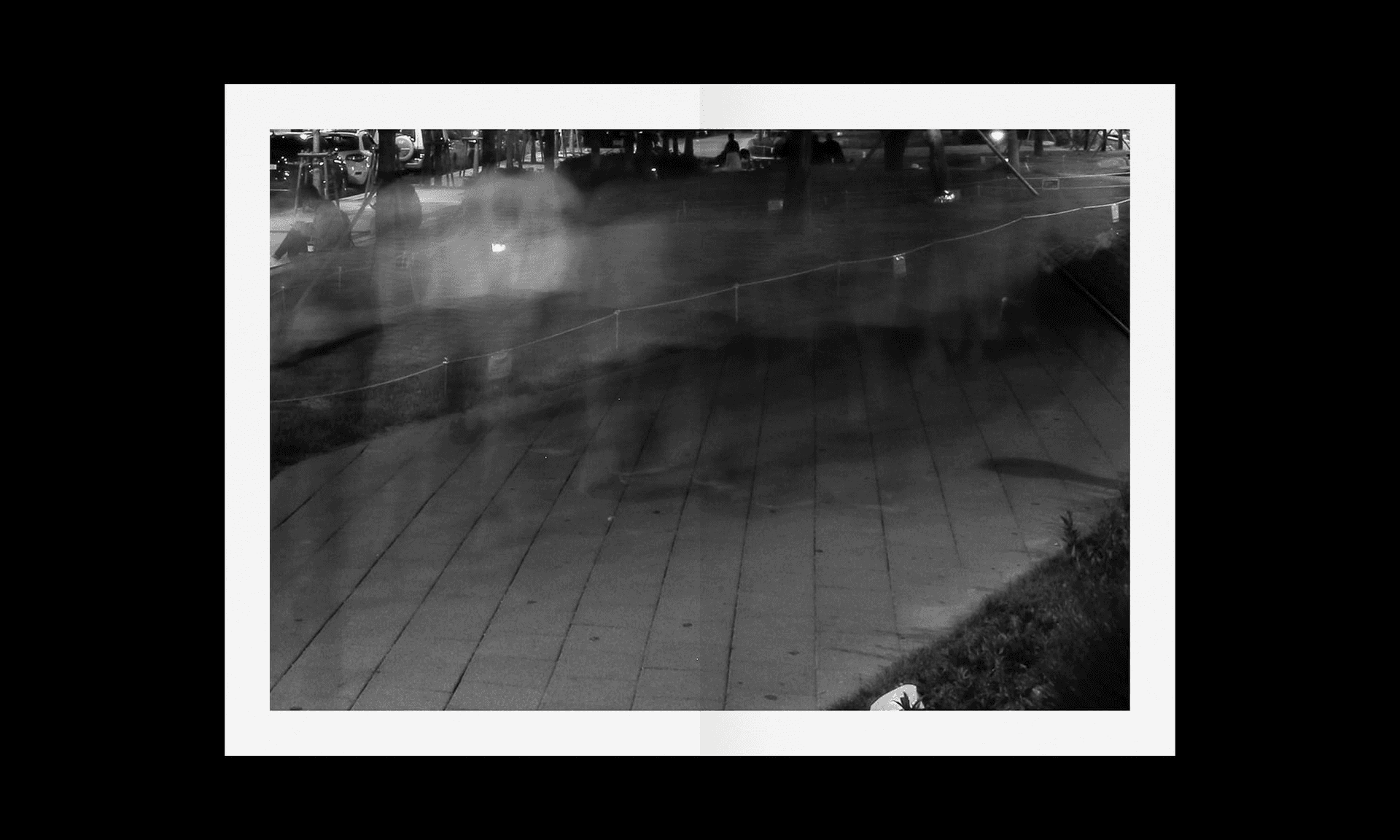
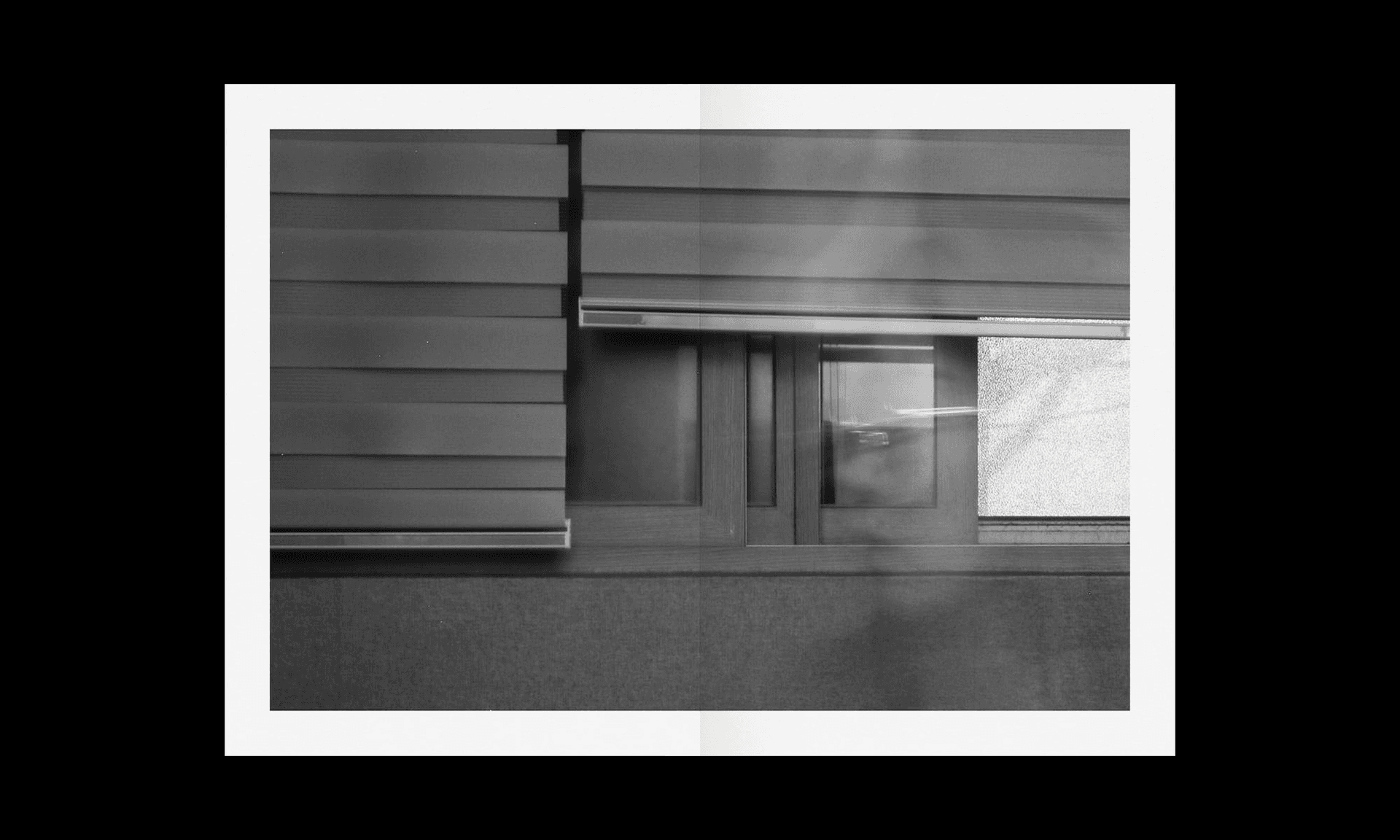
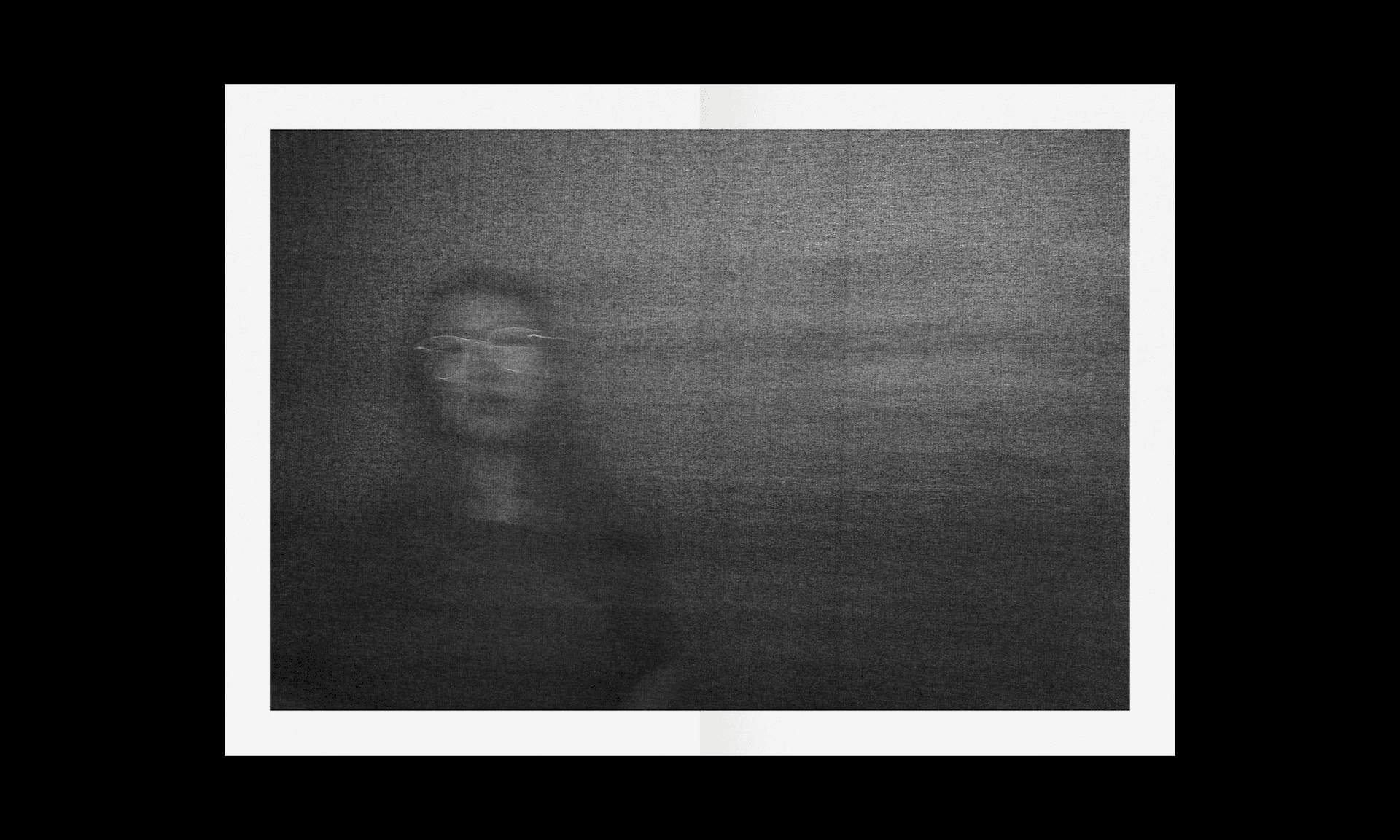
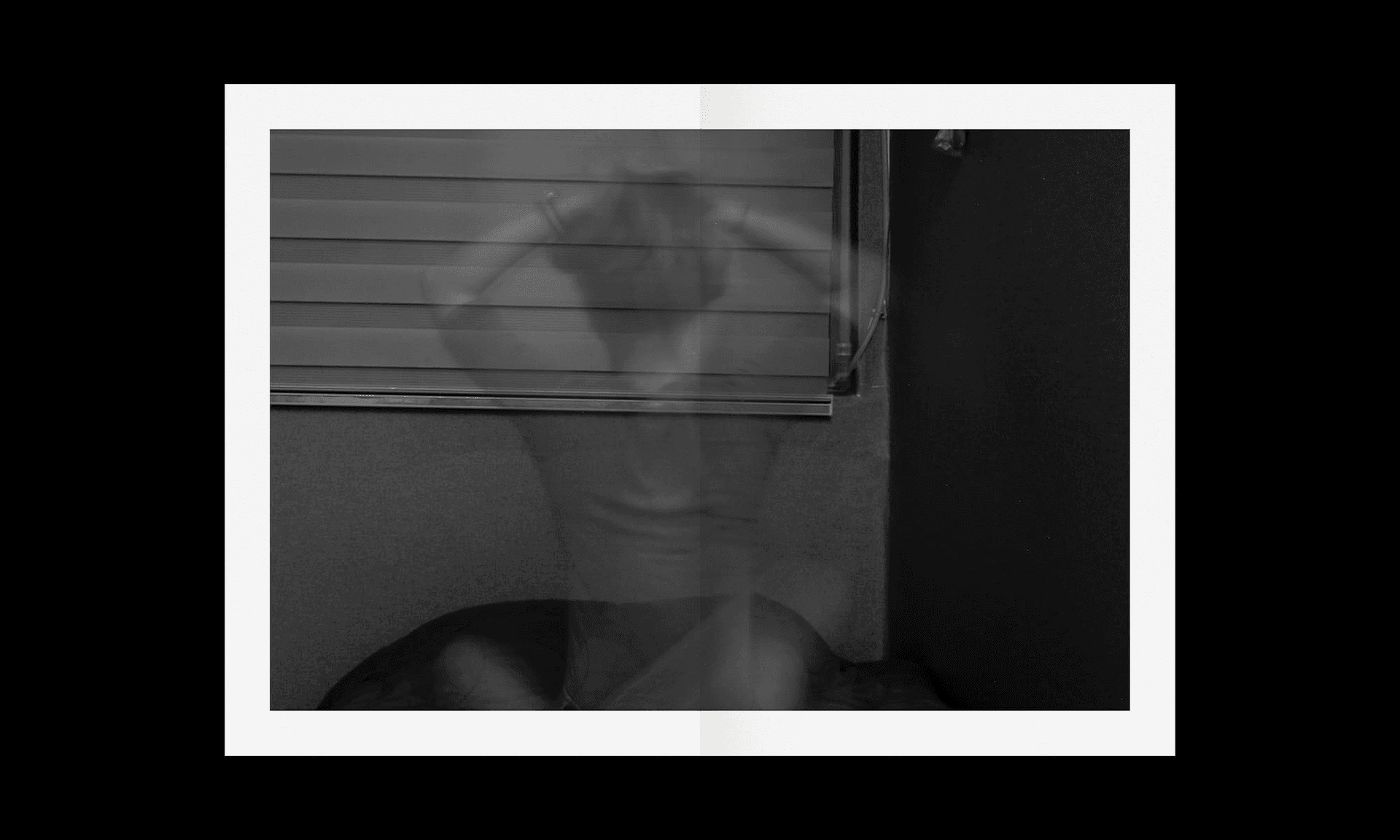
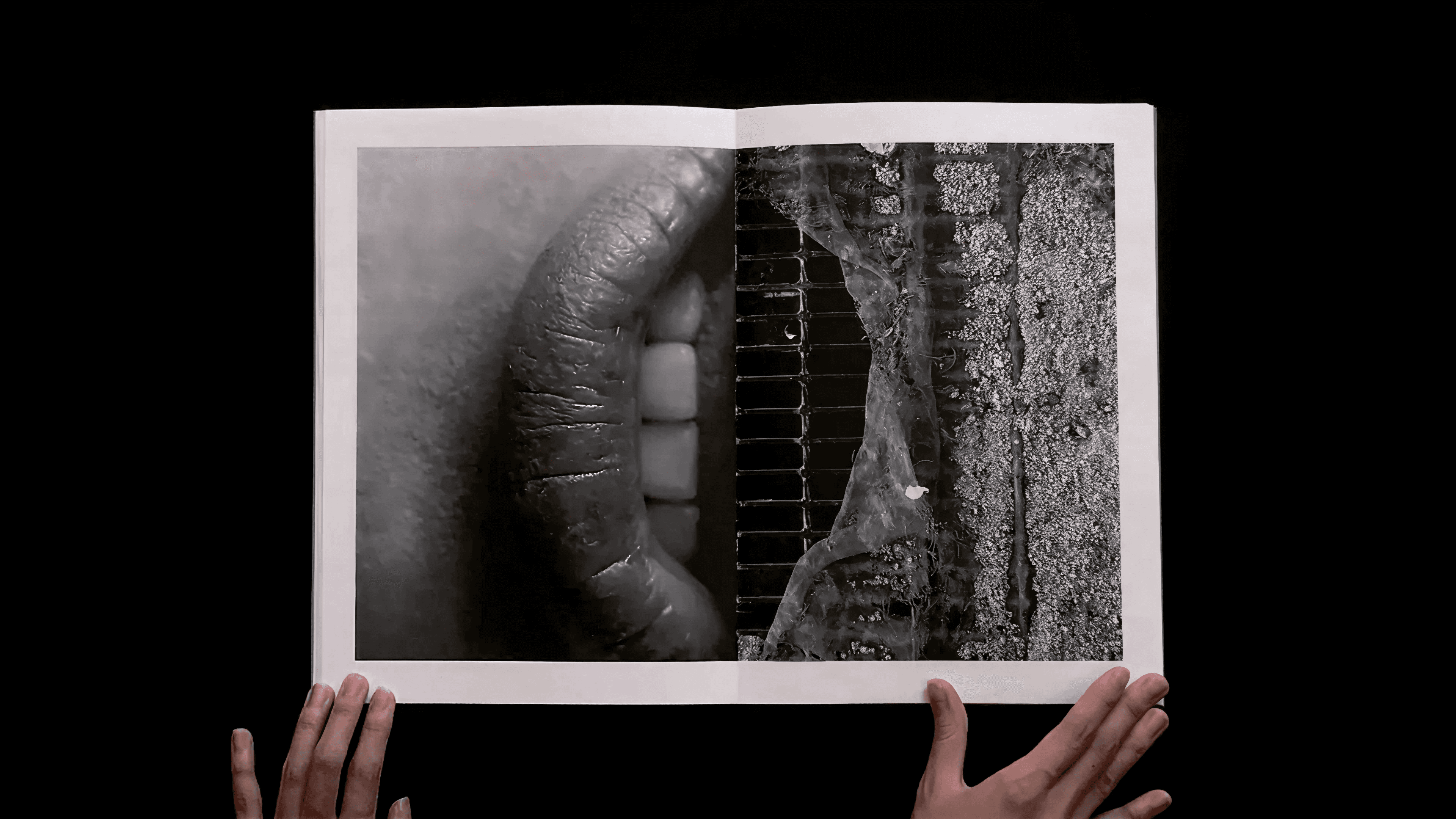
Texture can be read as a record of time. In Korean culture, the concept of Gyeol describes not only surface grain but also the passage, rhythm, and intervals that shape how things exist and relate to one another. Inspired by the idea that everything carries its own Gyeol, Exploration of Texture looks beyond material finish to consider the traces and patterns that connect people, objects, and environments.
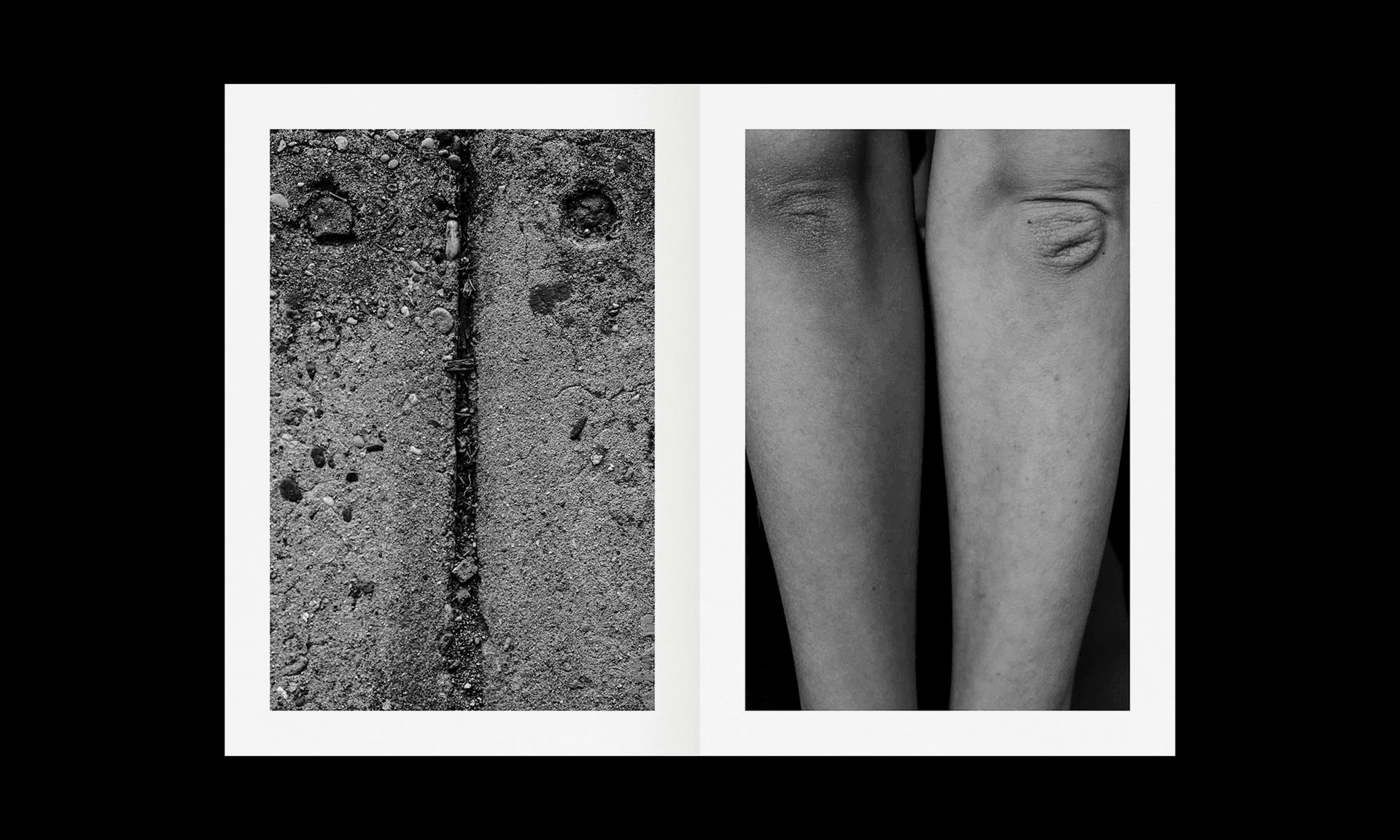
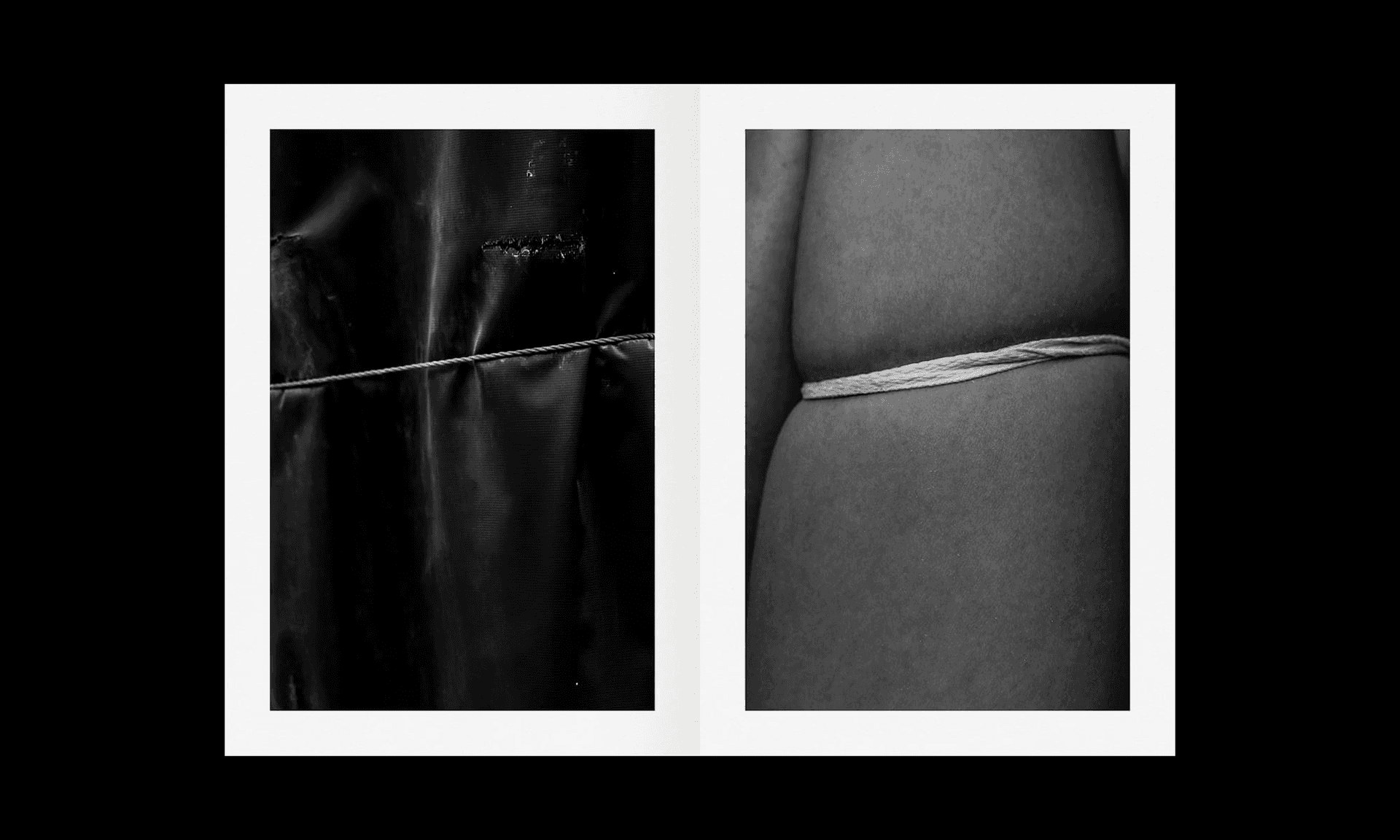
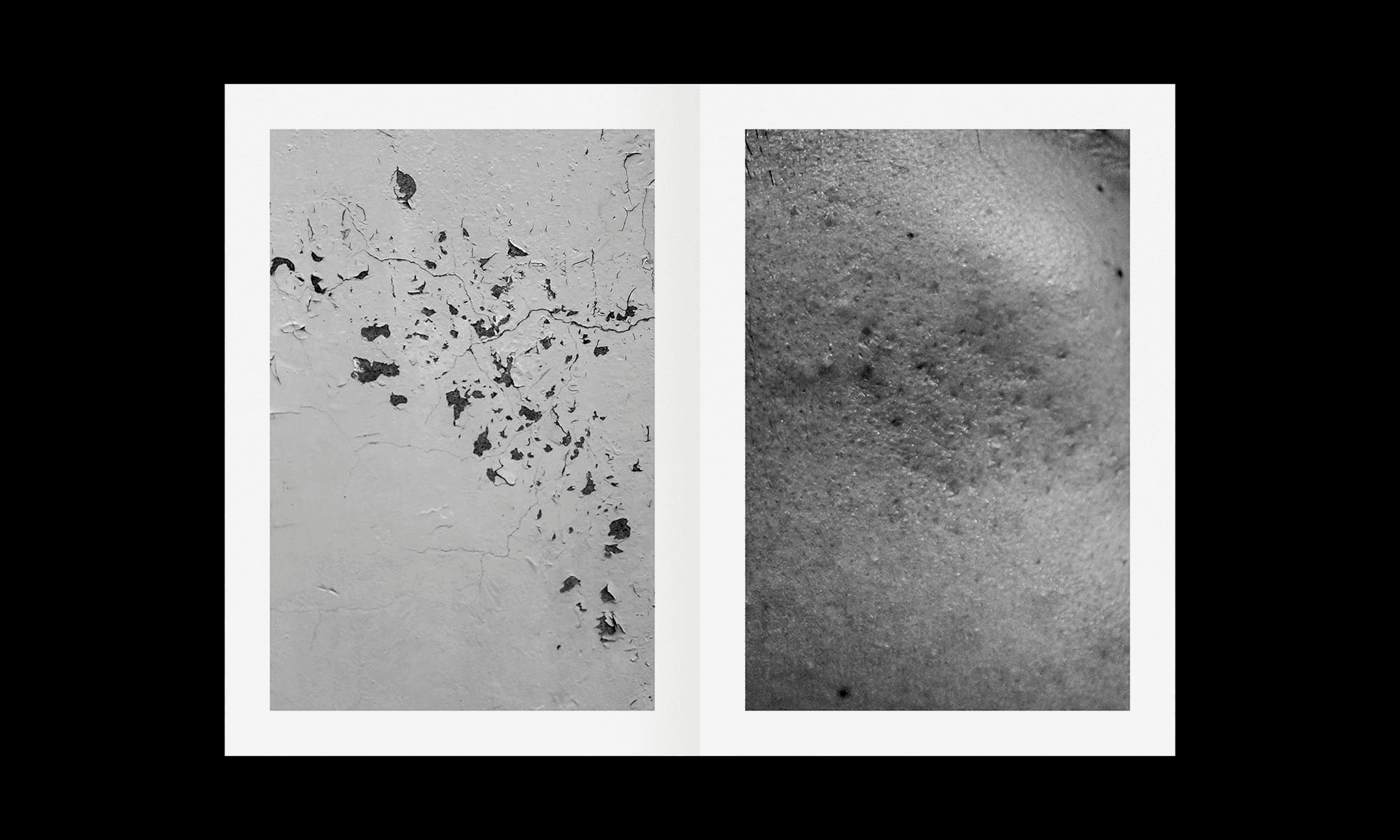
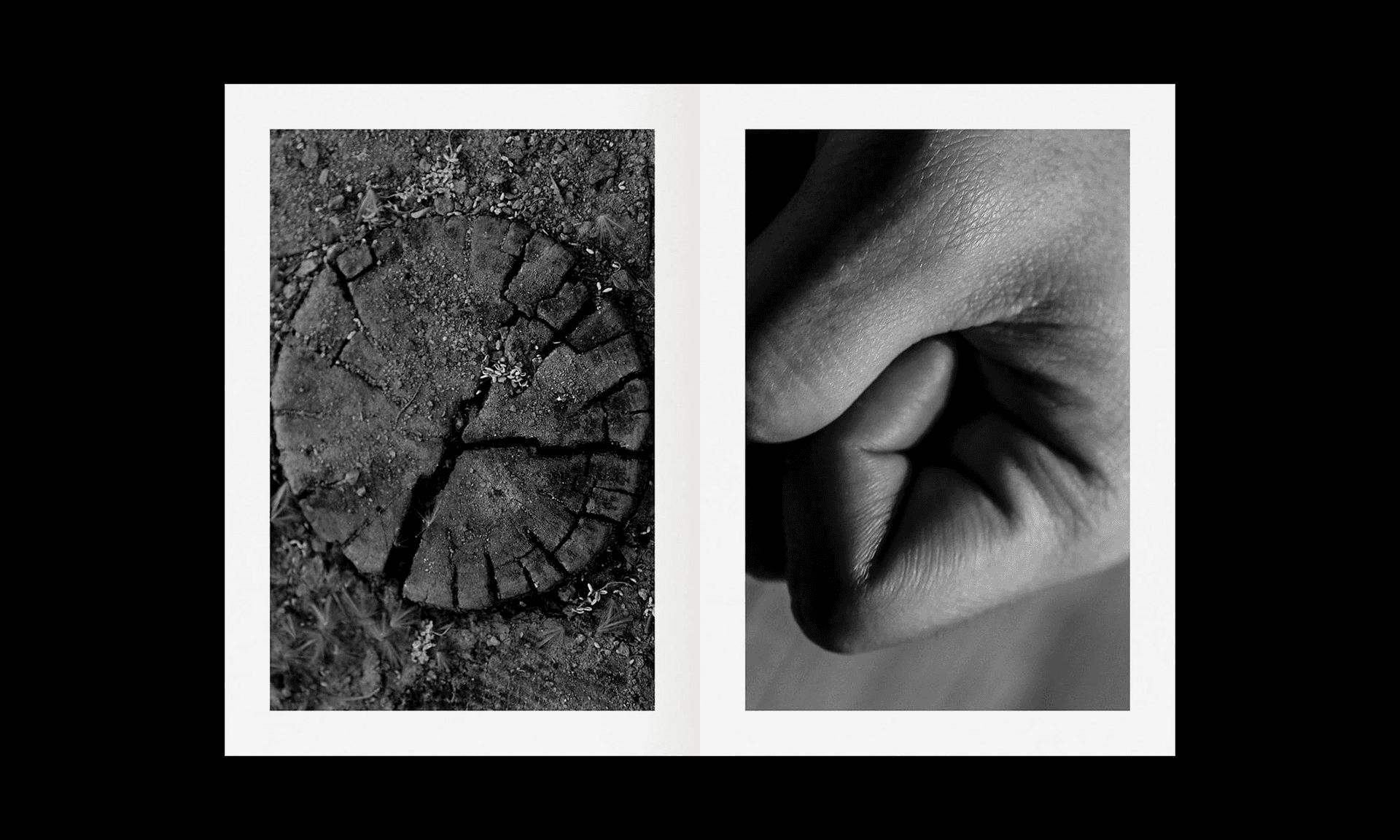
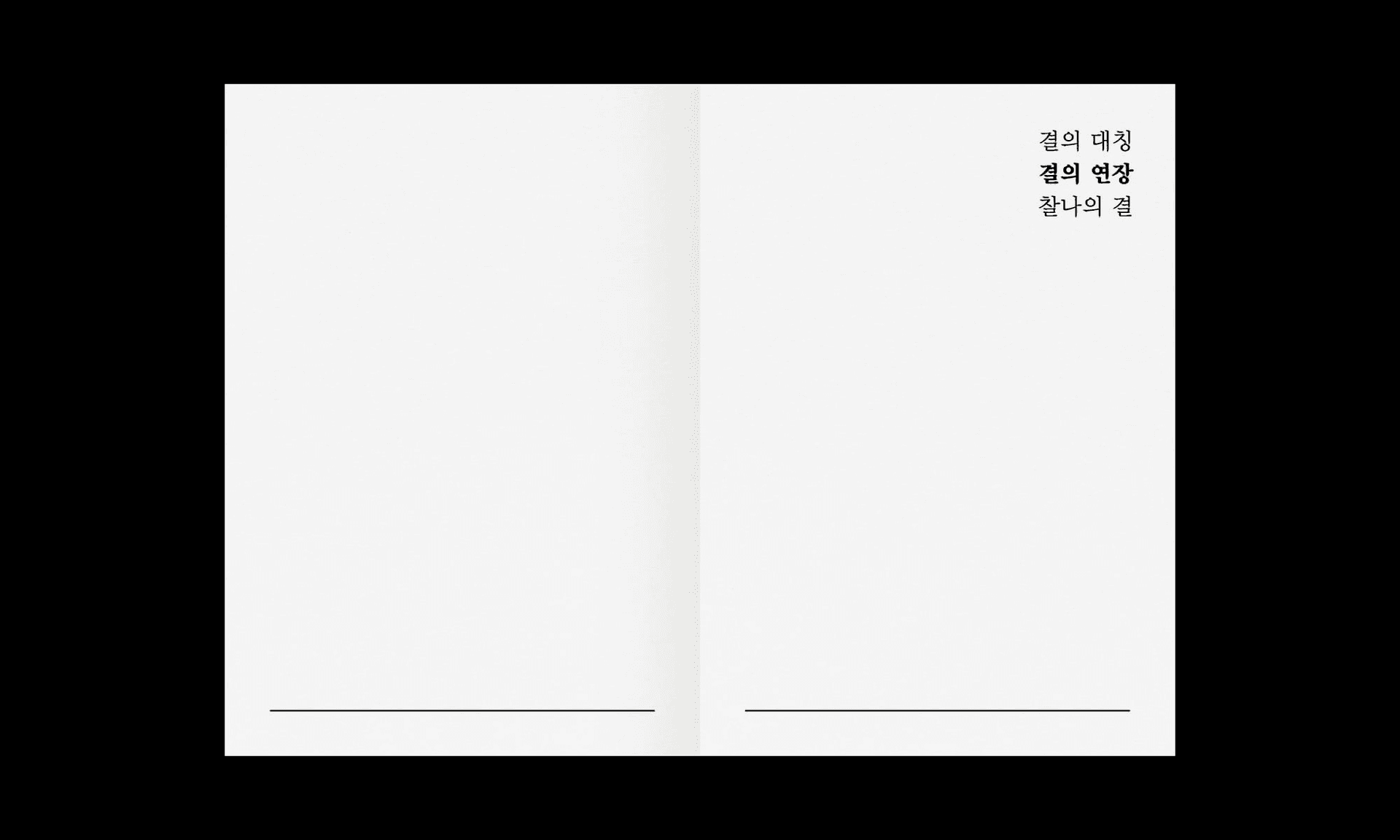
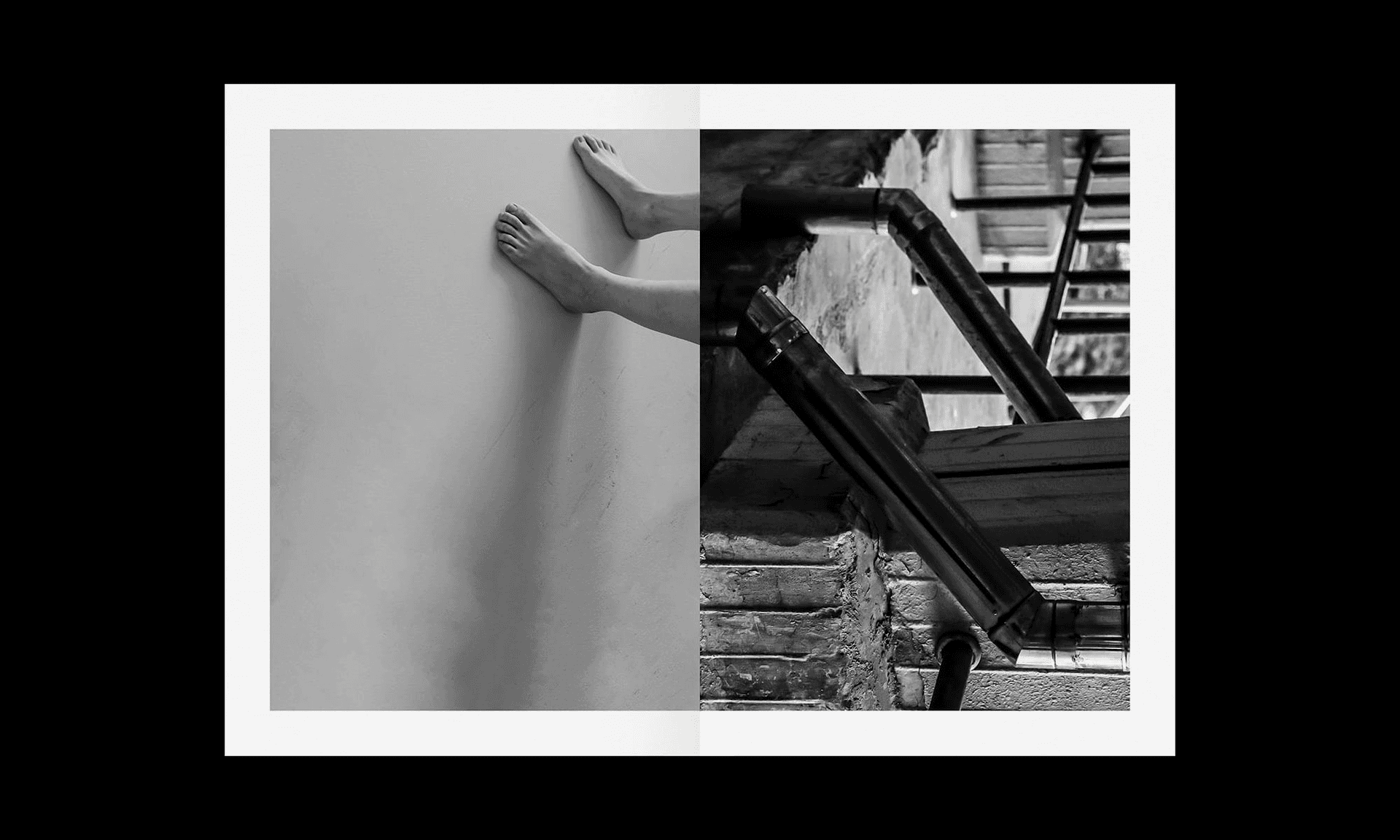
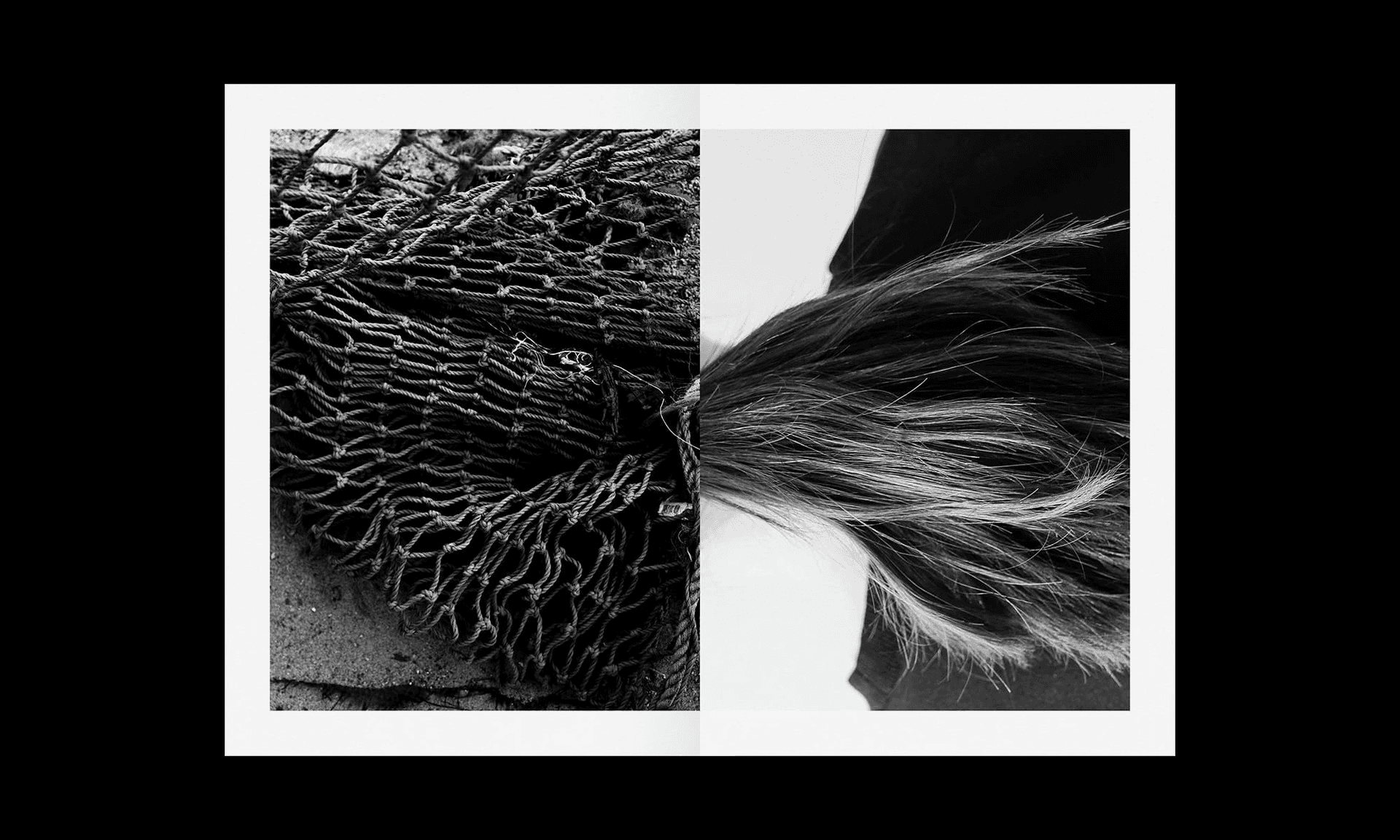
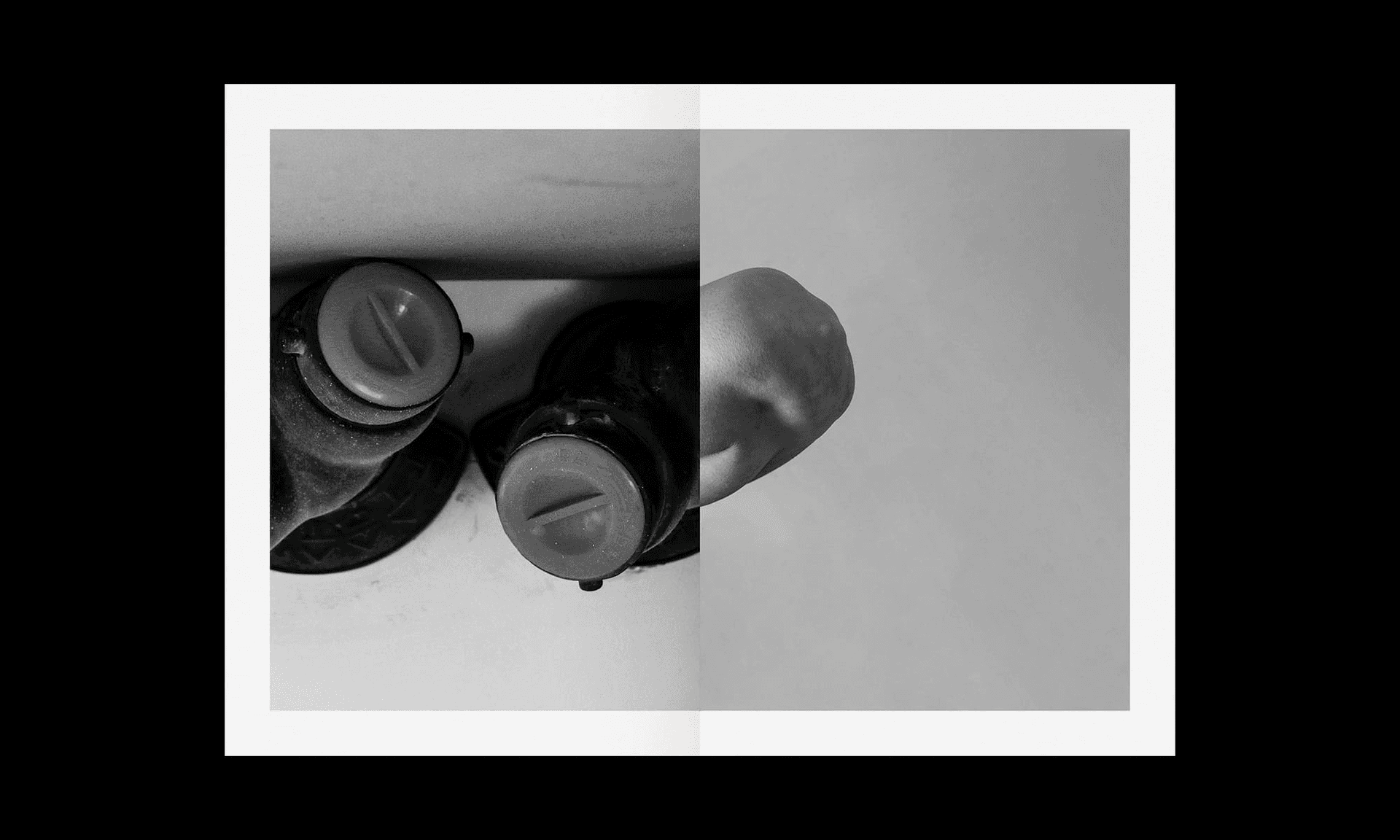
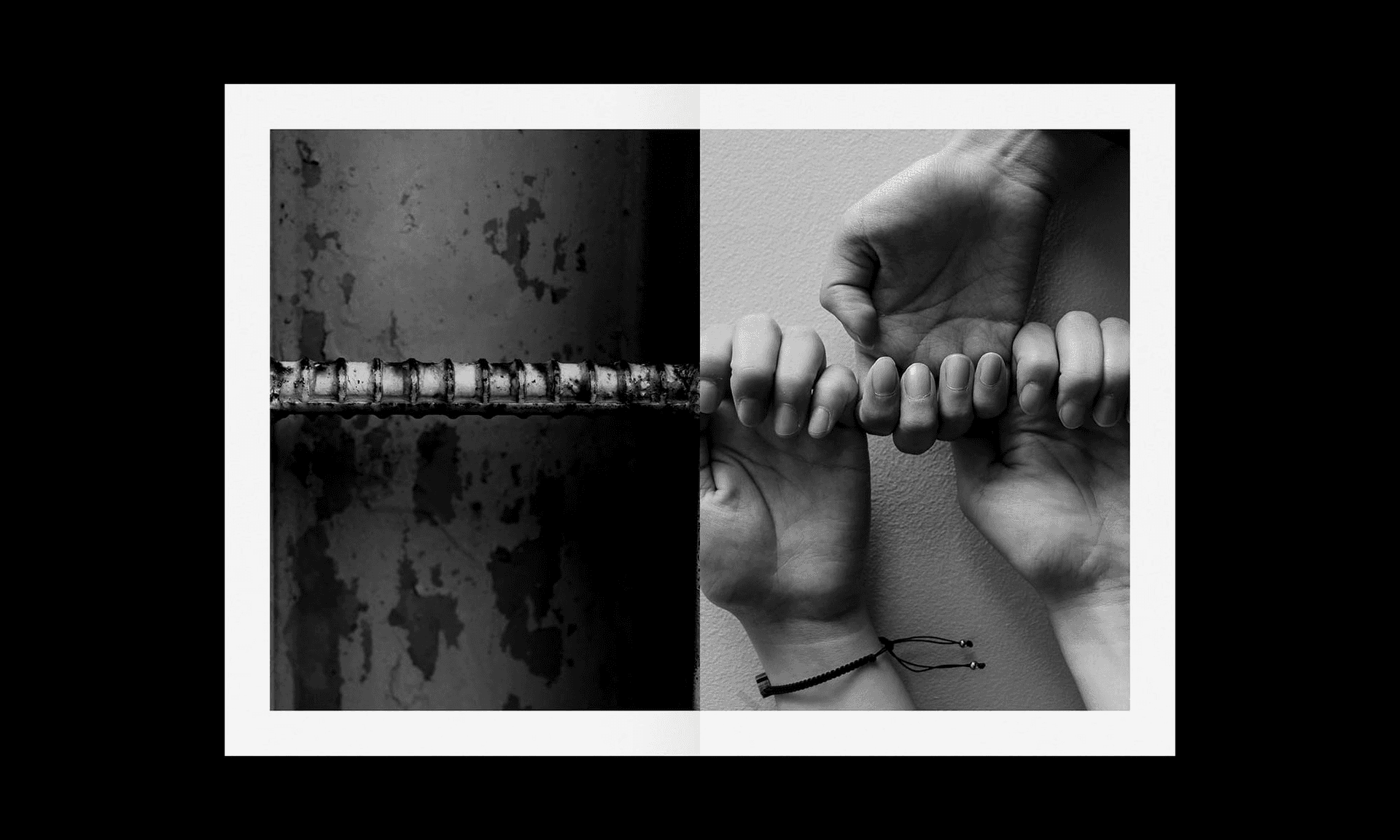
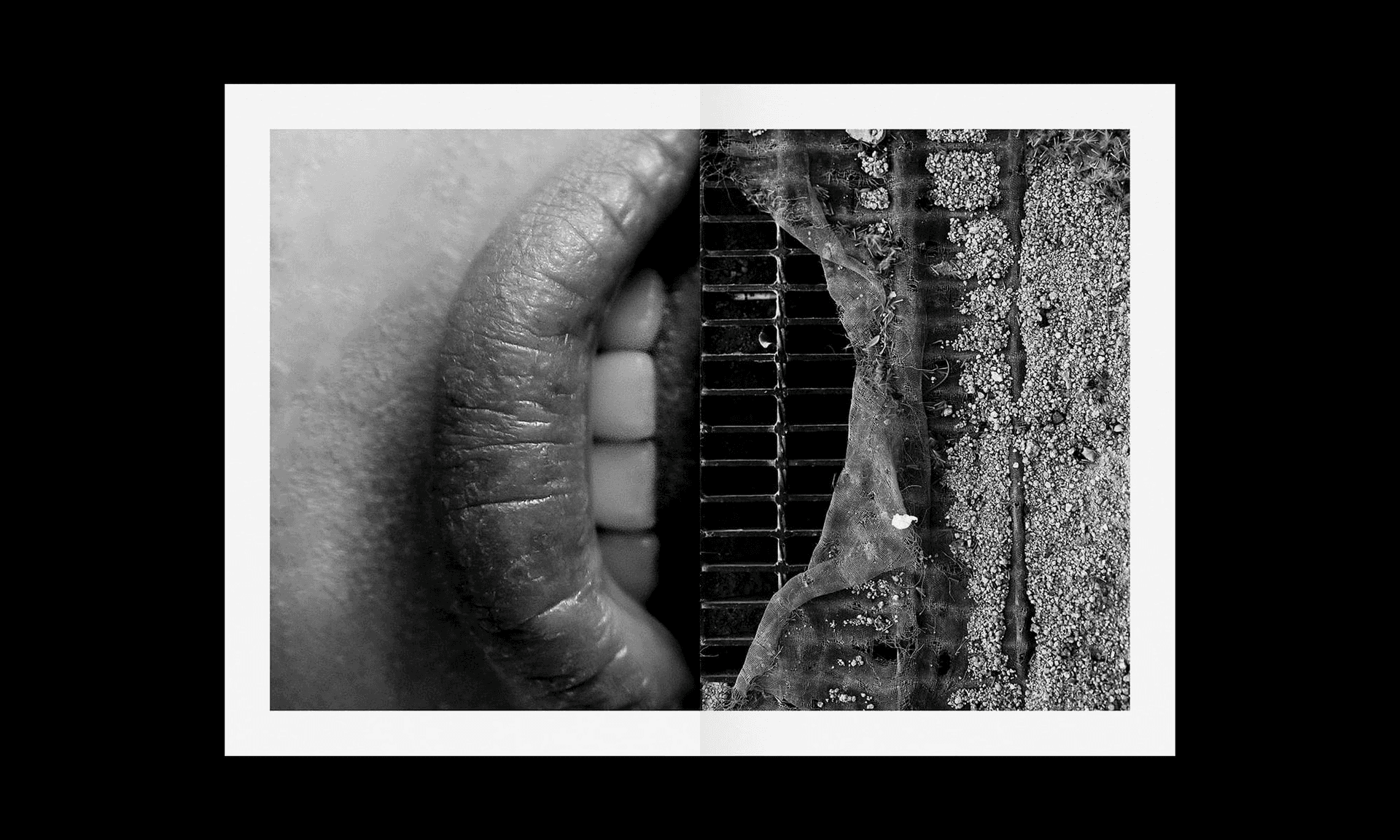
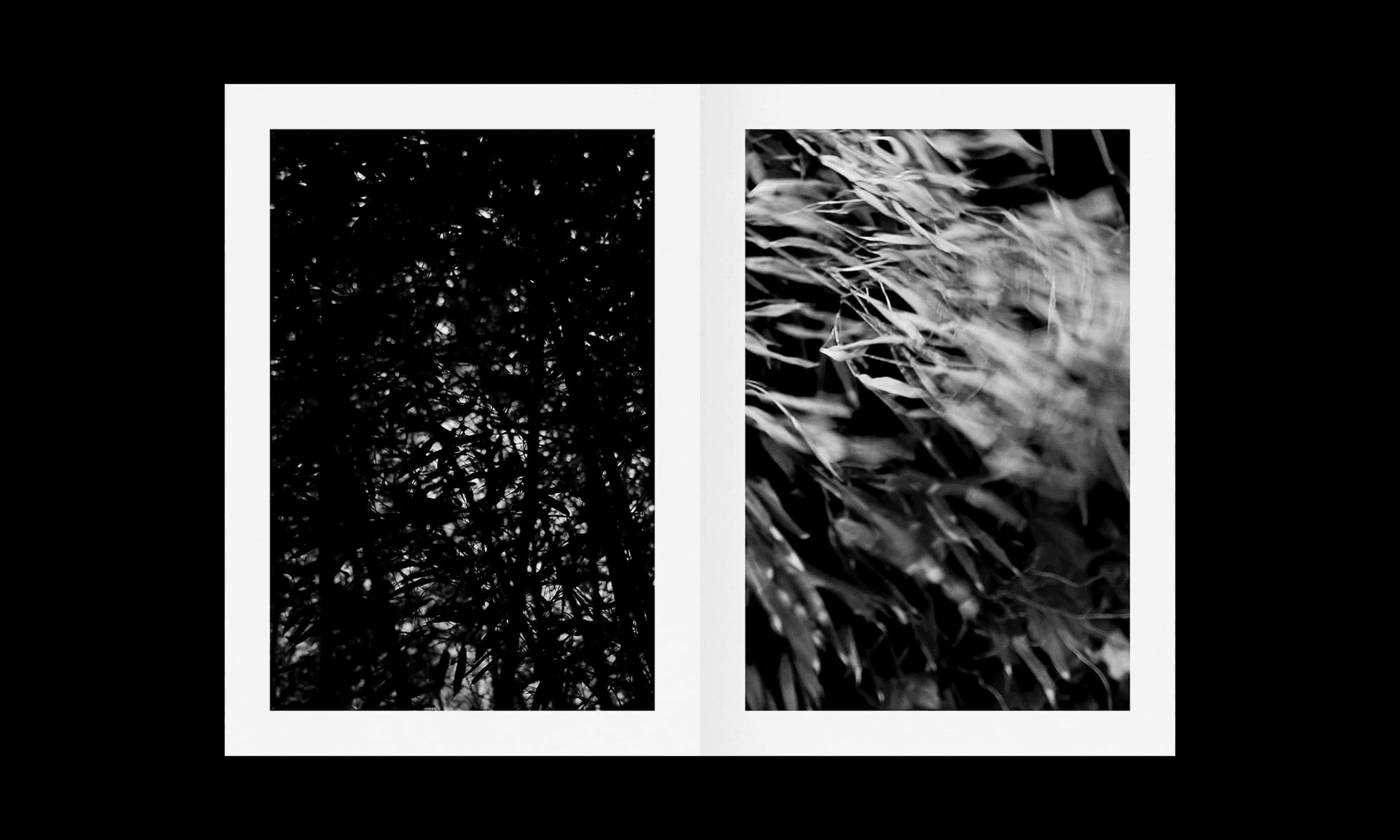
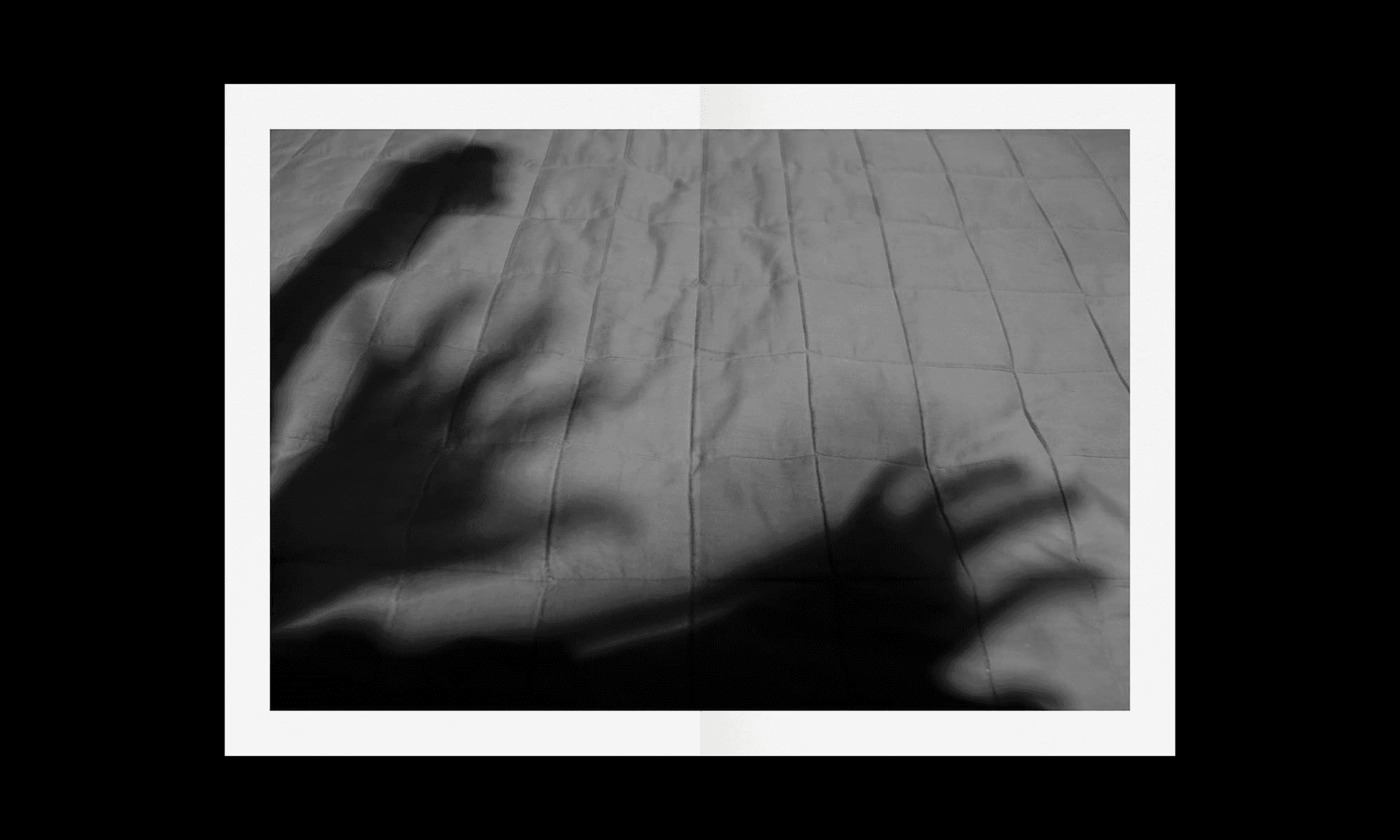
The exploration unfolds in three parts: comparative textures, expanded textures, and traces of texture. By identifying shared tactile qualities across unexpected pairings, the work reframes texture as a relational language rather than a visual detail. Subtle shifts in scale, repetition, and mark making reveal how texture can communicate continuity, memory, and the invisible threads that bind disparate elements into a coherent whole.
Texture can be read as a record of time. In Korean culture, the concept of Gyeol describes not only surface grain but also the passage, rhythm, and intervals that shape how things exist and relate to one another. Inspired by the idea that everything carries its own Gyeol, Exploration of Texture looks beyond material finish to consider the traces and patterns that connect people, objects, and environments.
The exploration unfolds in three parts: comparative textures, expanded textures, and traces of texture. By identifying shared tactile qualities across unexpected pairings, the work reframes texture as a relational language rather than a visual detail. Subtle shifts in scale, repetition, and mark making reveal how texture can communicate continuity, memory, and the invisible threads that bind disparate elements into a coherent whole.
Texture can be read as a record of time. In Korean culture, the concept of Gyeol describes not only surface grain but also the passage, rhythm, and intervals that shape how things exist and relate to one another. Inspired by the idea that everything carries its own Gyeol, Exploration of Texture looks beyond material finish to consider the traces and patterns that connect people, objects, and environments.
The exploration unfolds in three parts: comparative textures, expanded textures, and traces of texture. By identifying shared tactile qualities across unexpected pairings, the work reframes texture as a relational language rather than a visual detail. Subtle shifts in scale, repetition, and mark making reveal how texture can communicate continuity, memory, and the invisible threads that bind disparate elements into a coherent whole.