Ganadara Vol.5
Ganadara Vol.5
Ganadara Vol.5
Art Direction
Print & Publication
Exhibition
Art Direction
Print & Publication
Exhibition
Role: Art Director, Editor
Role: Art Director, Editor
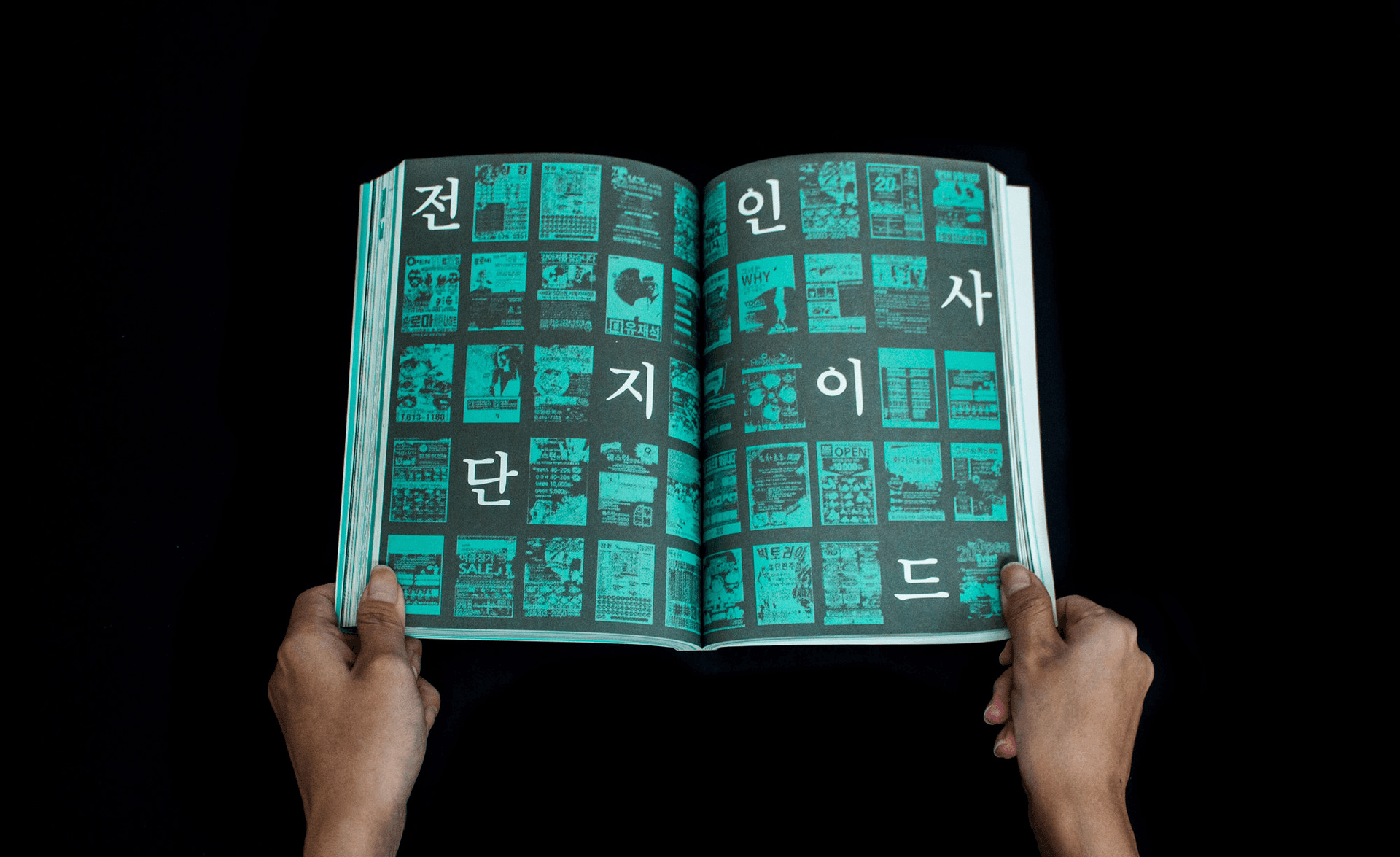
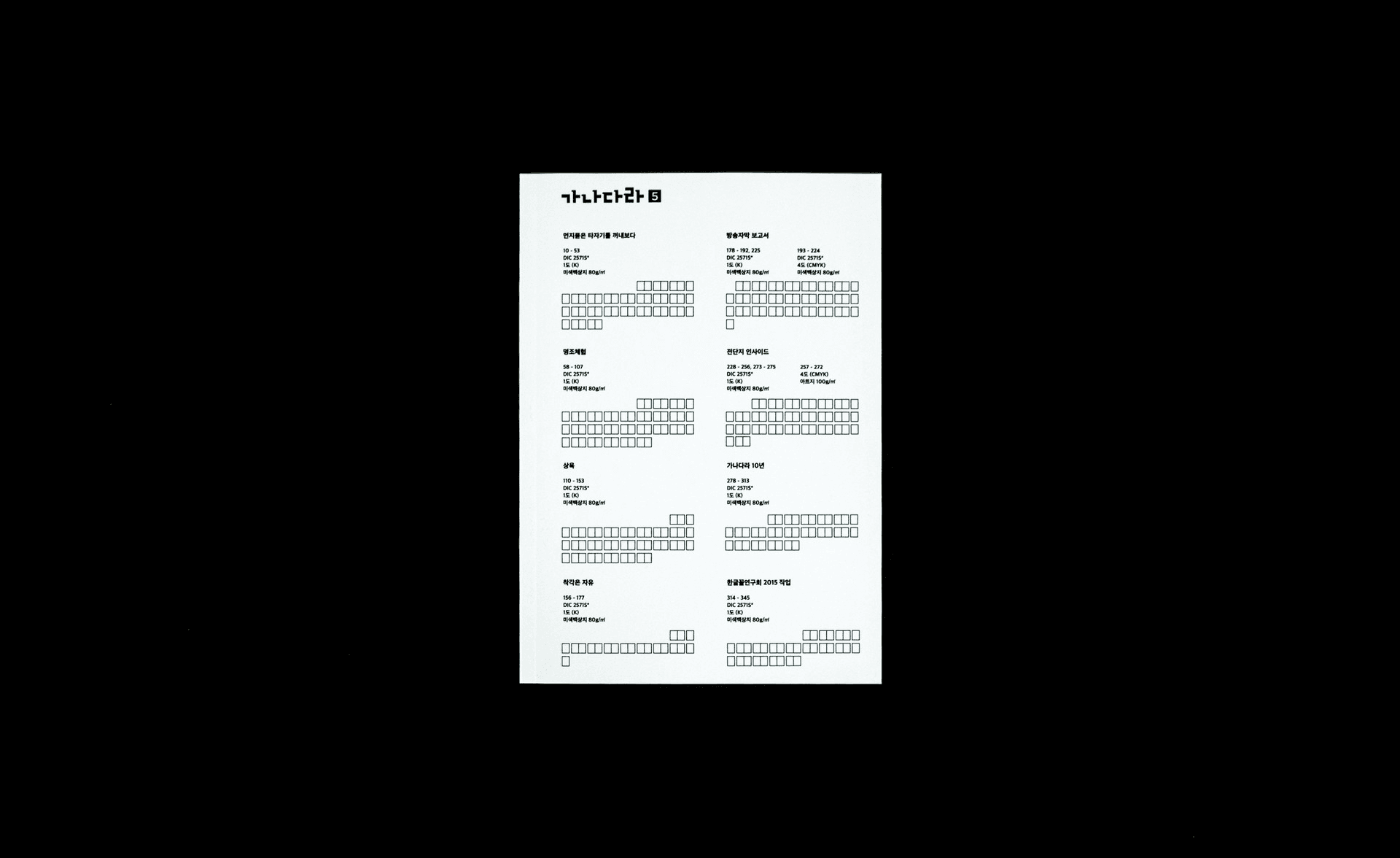
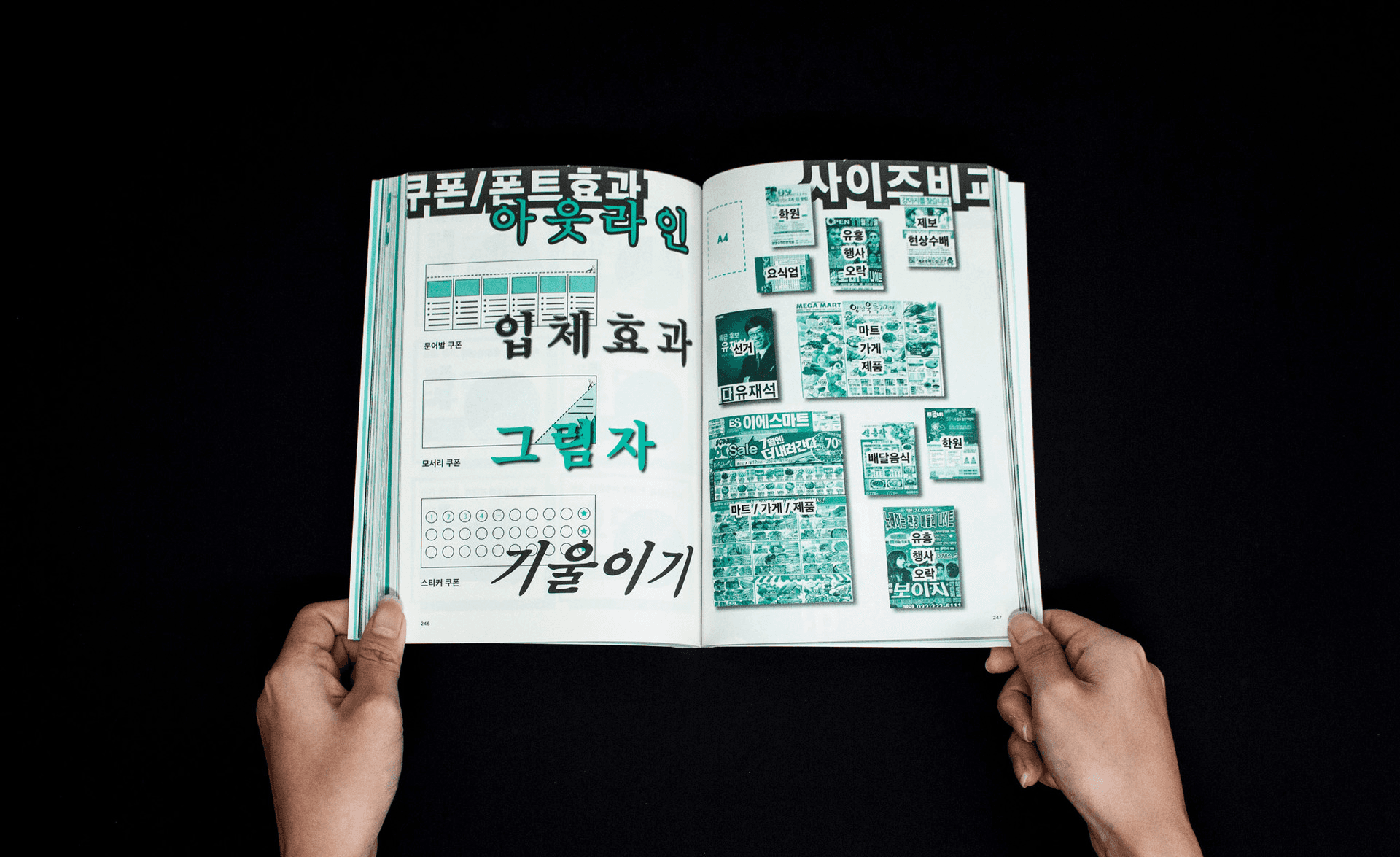
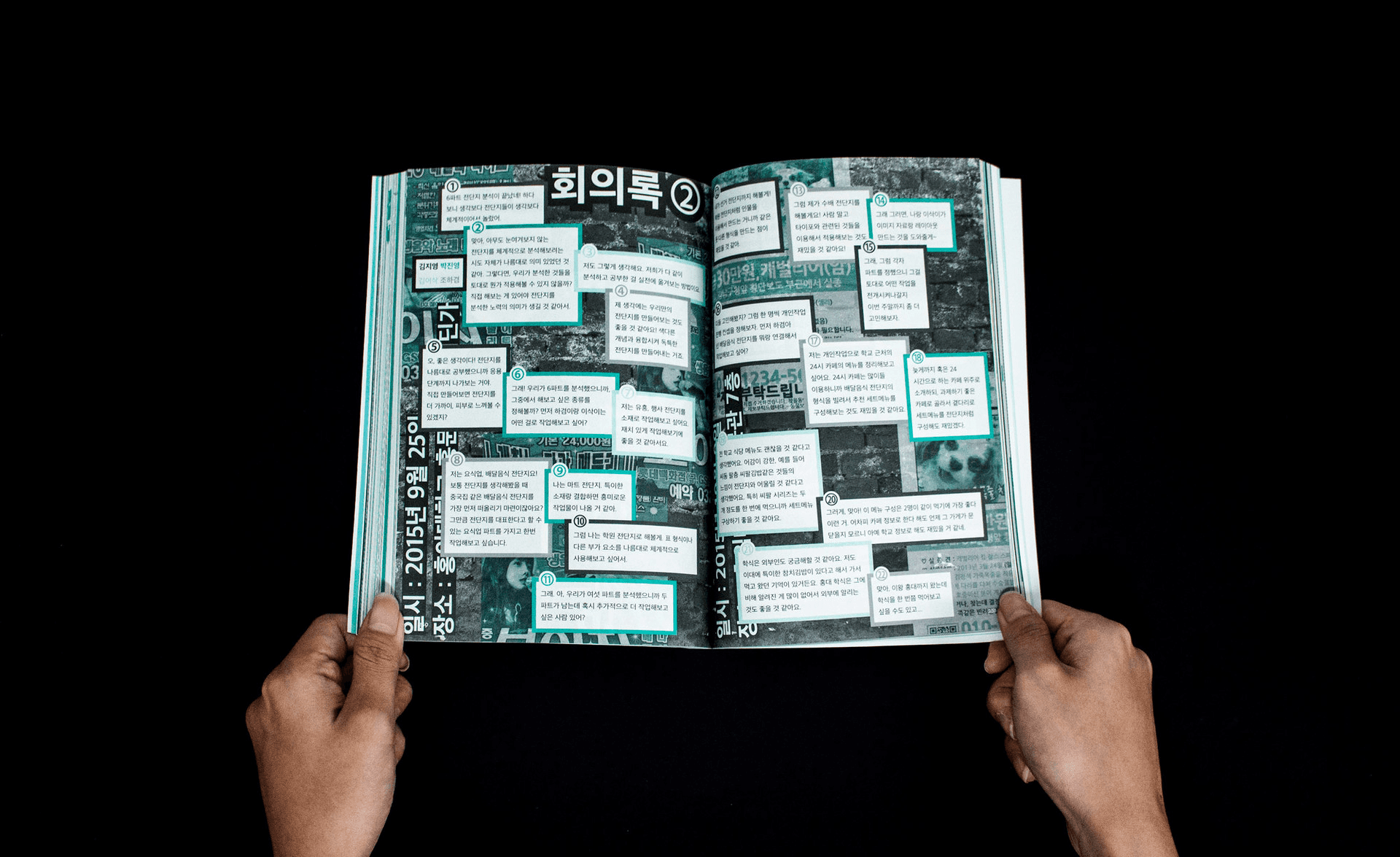
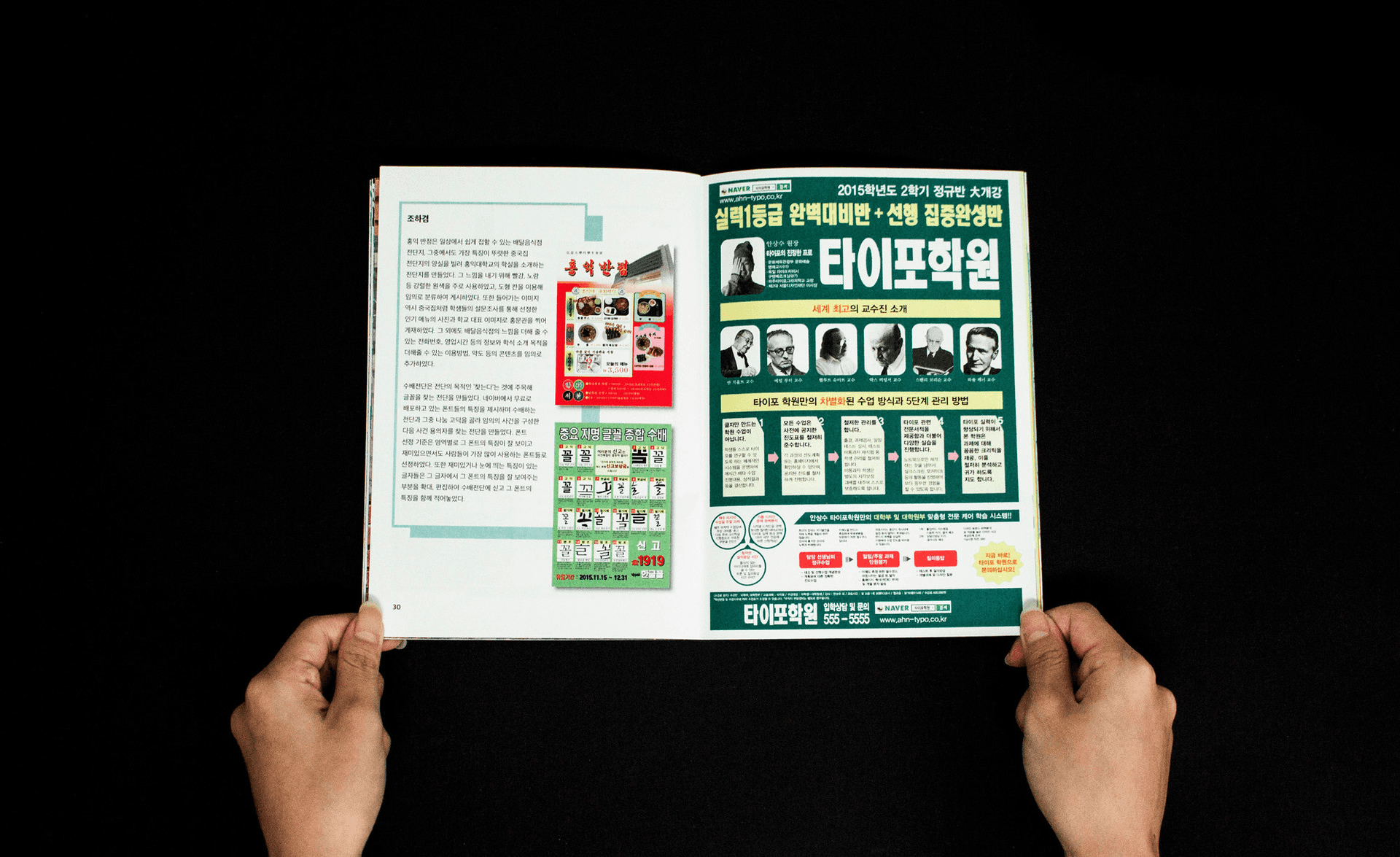
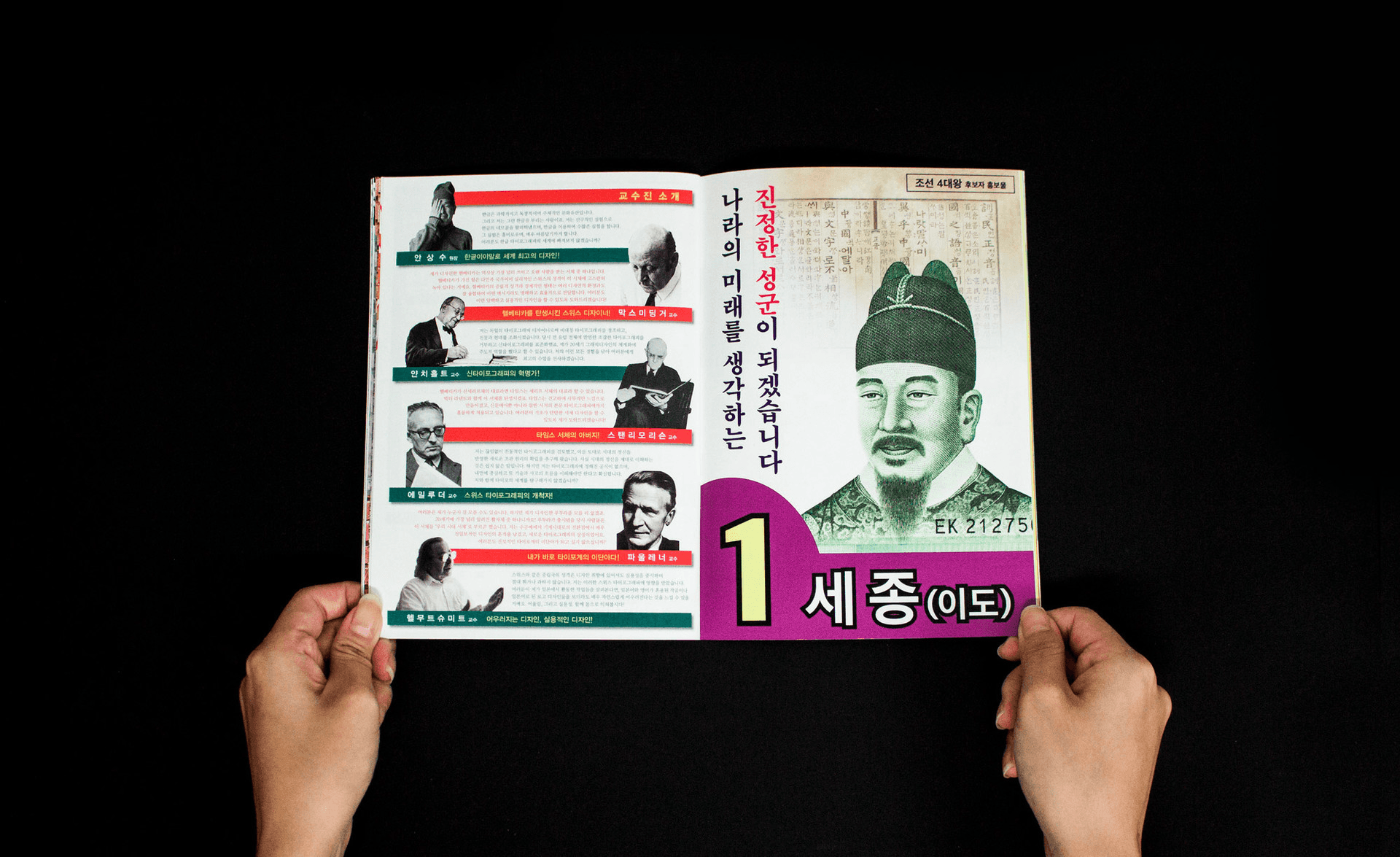
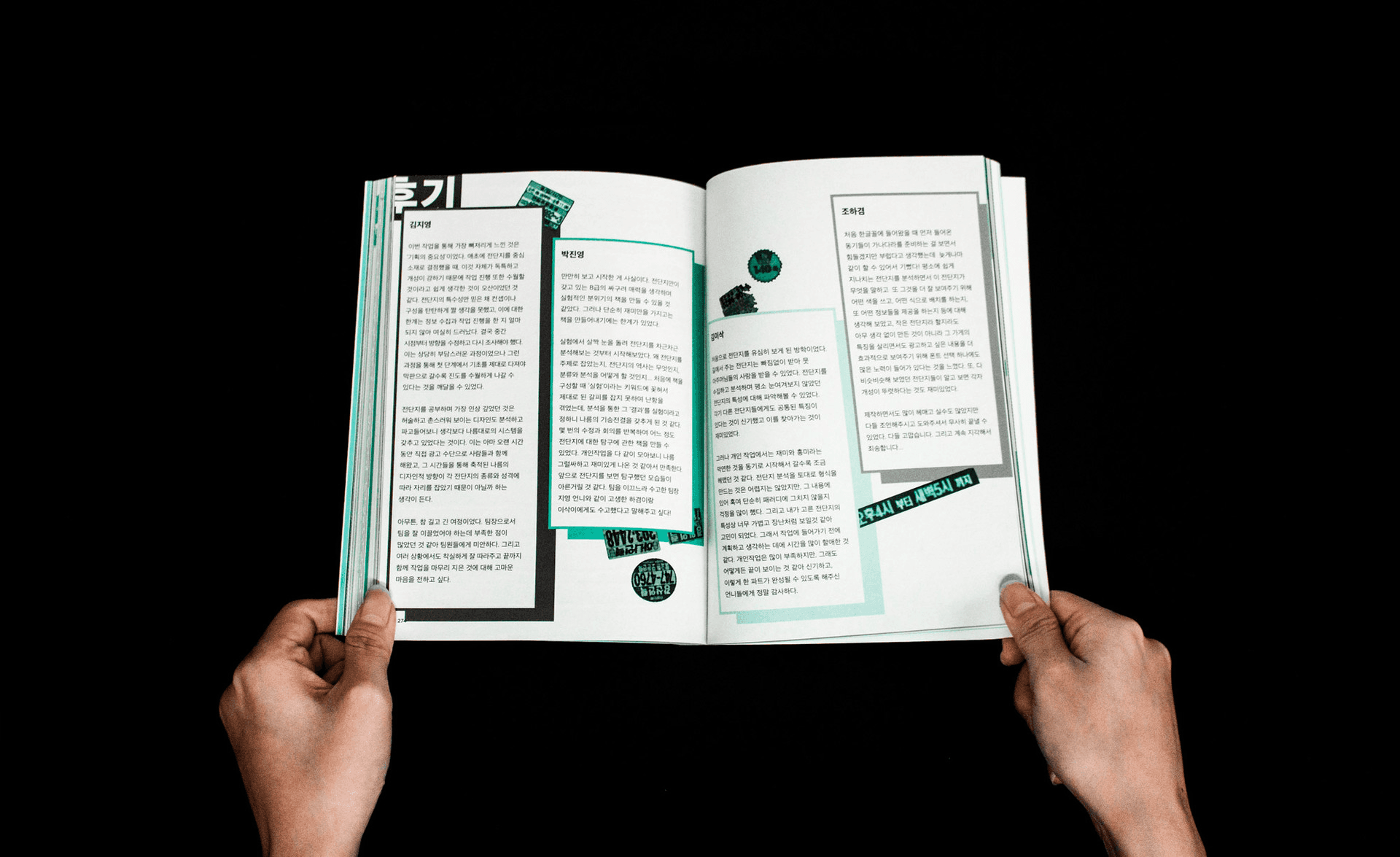
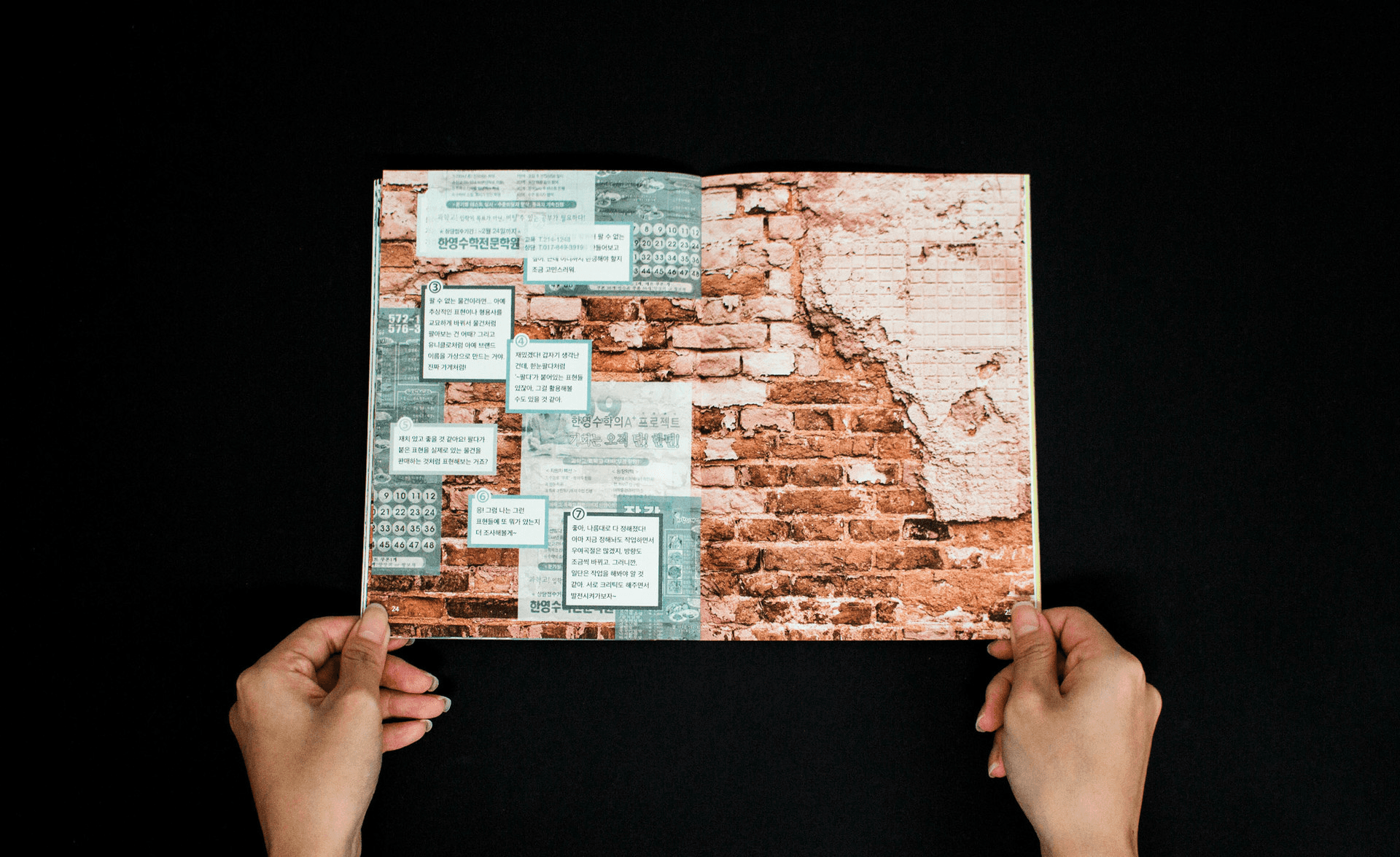
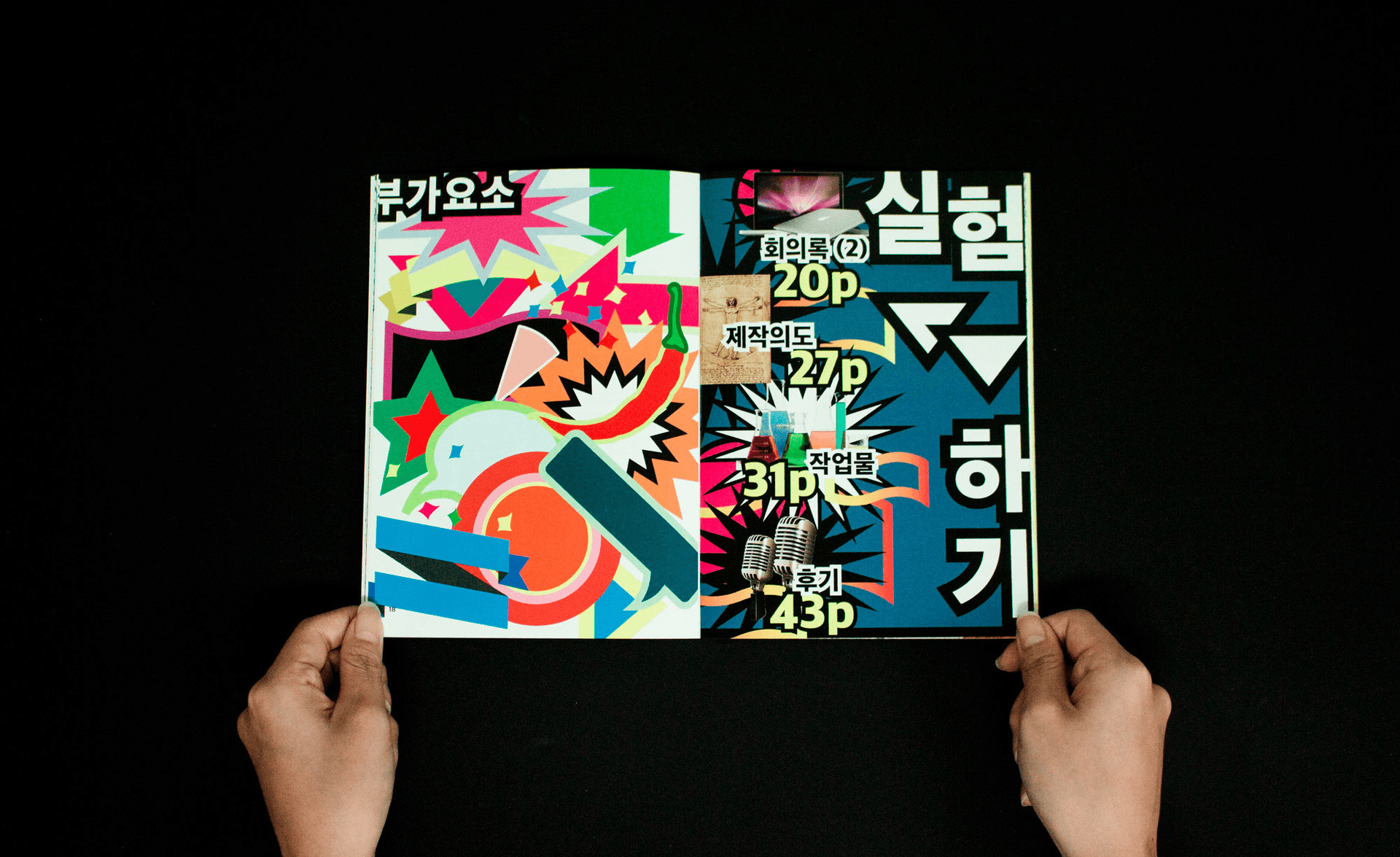
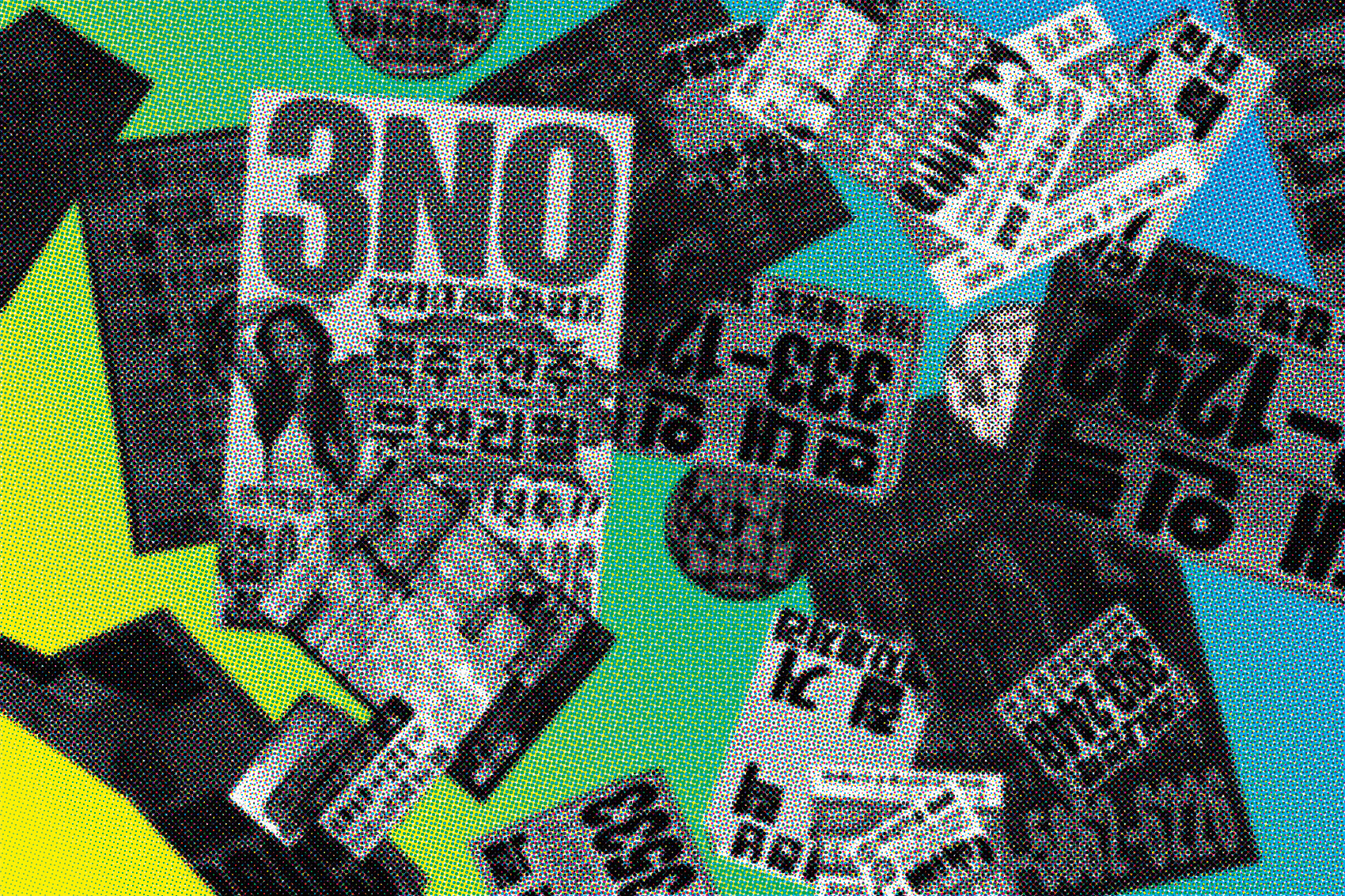
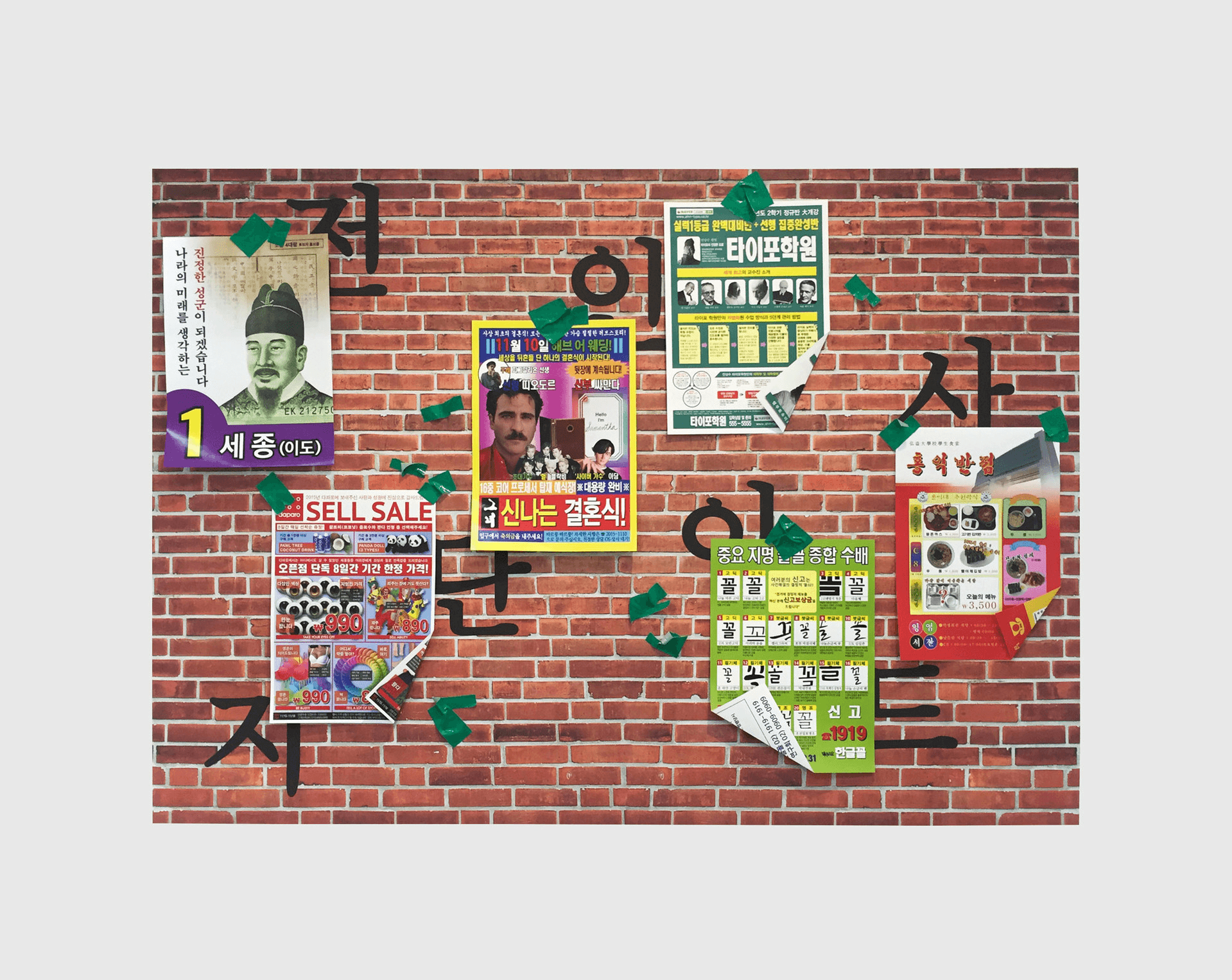
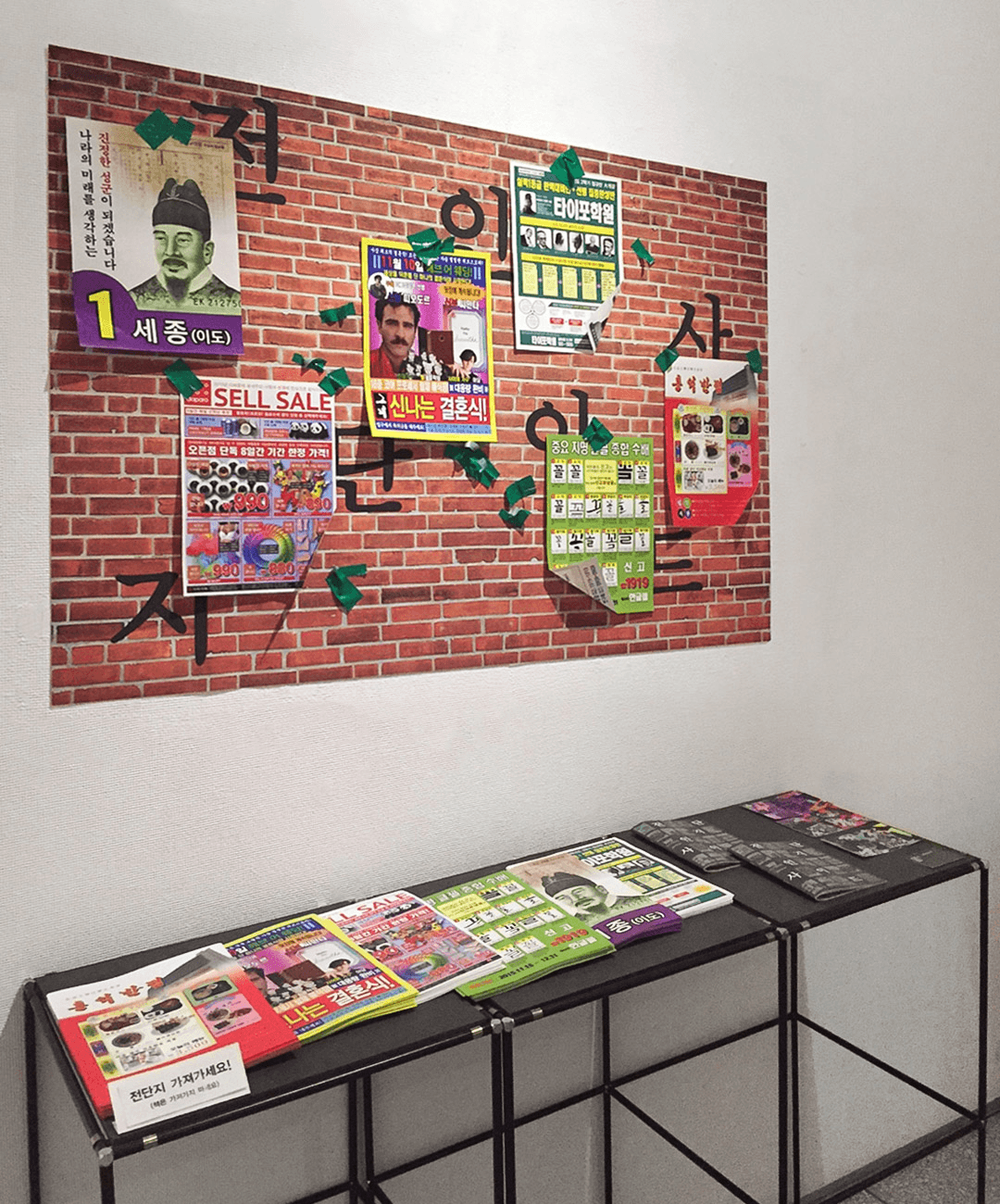
Ganadara Vol.5 was published by Hangulggol Study Group, a typography collective based in Hongik University devoted to the study and celebration of Korean letterforms. Produced as both a book and exhibition, the volume examined the overlooked typographic landscape of everyday flyers and street notices.
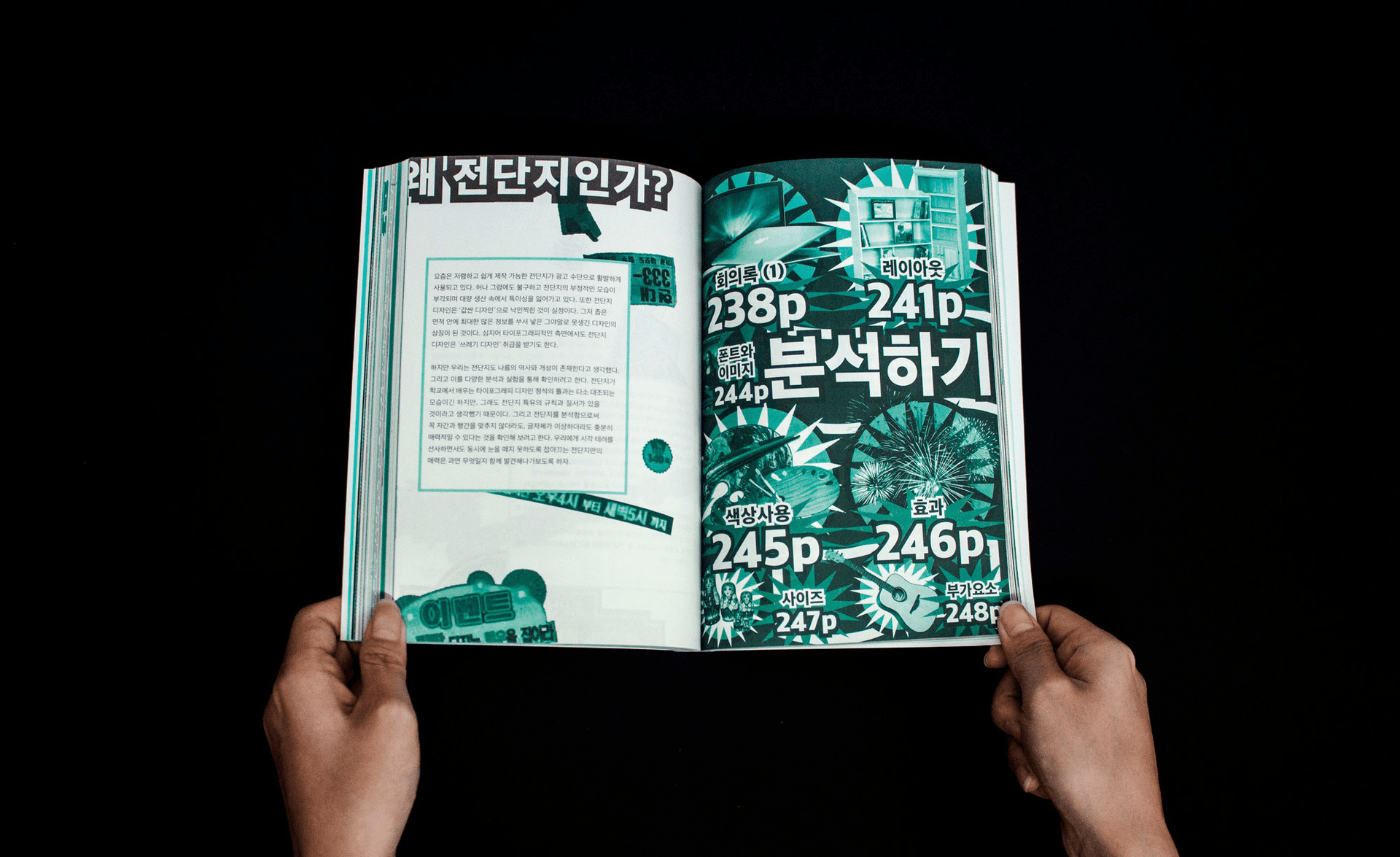
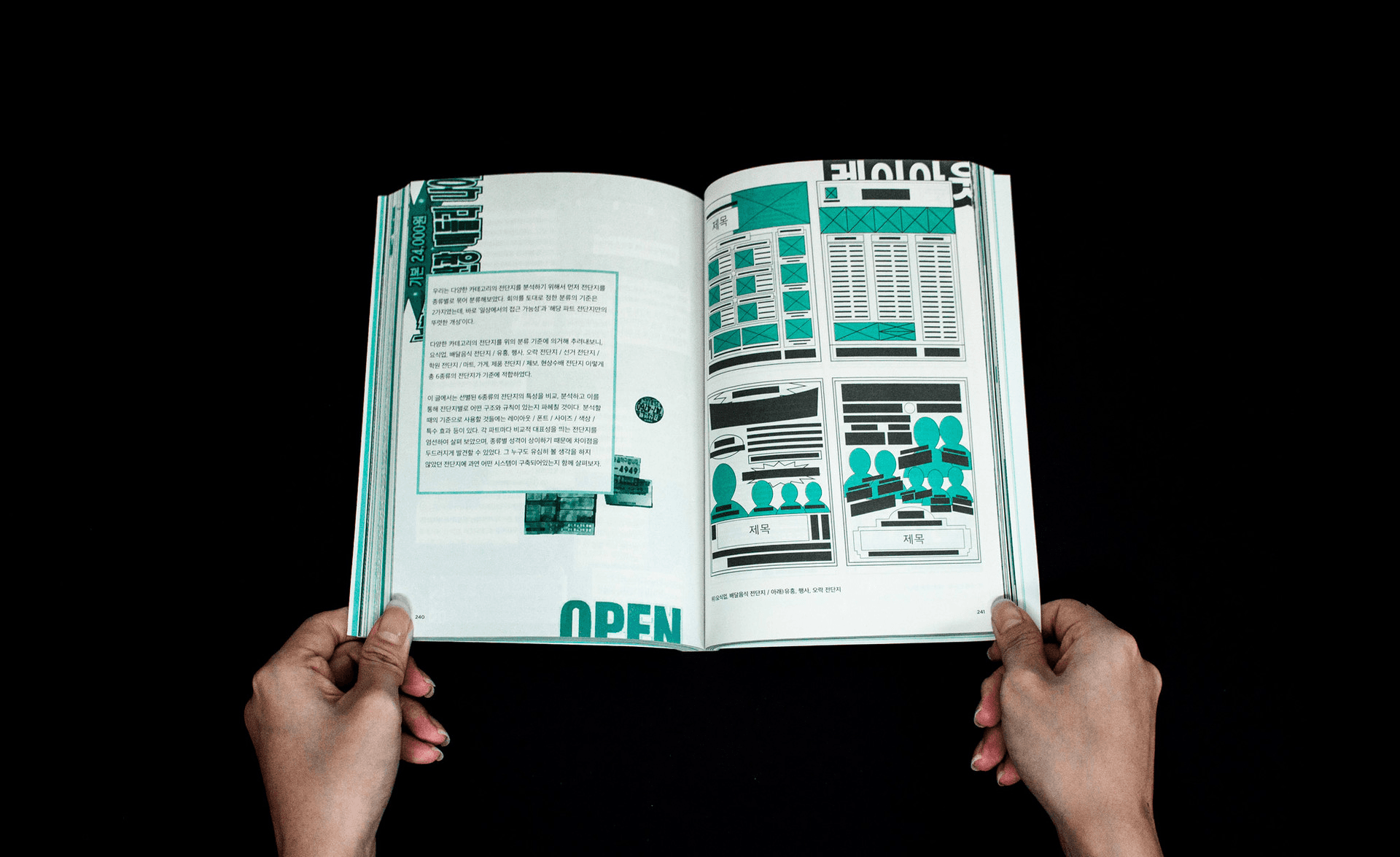
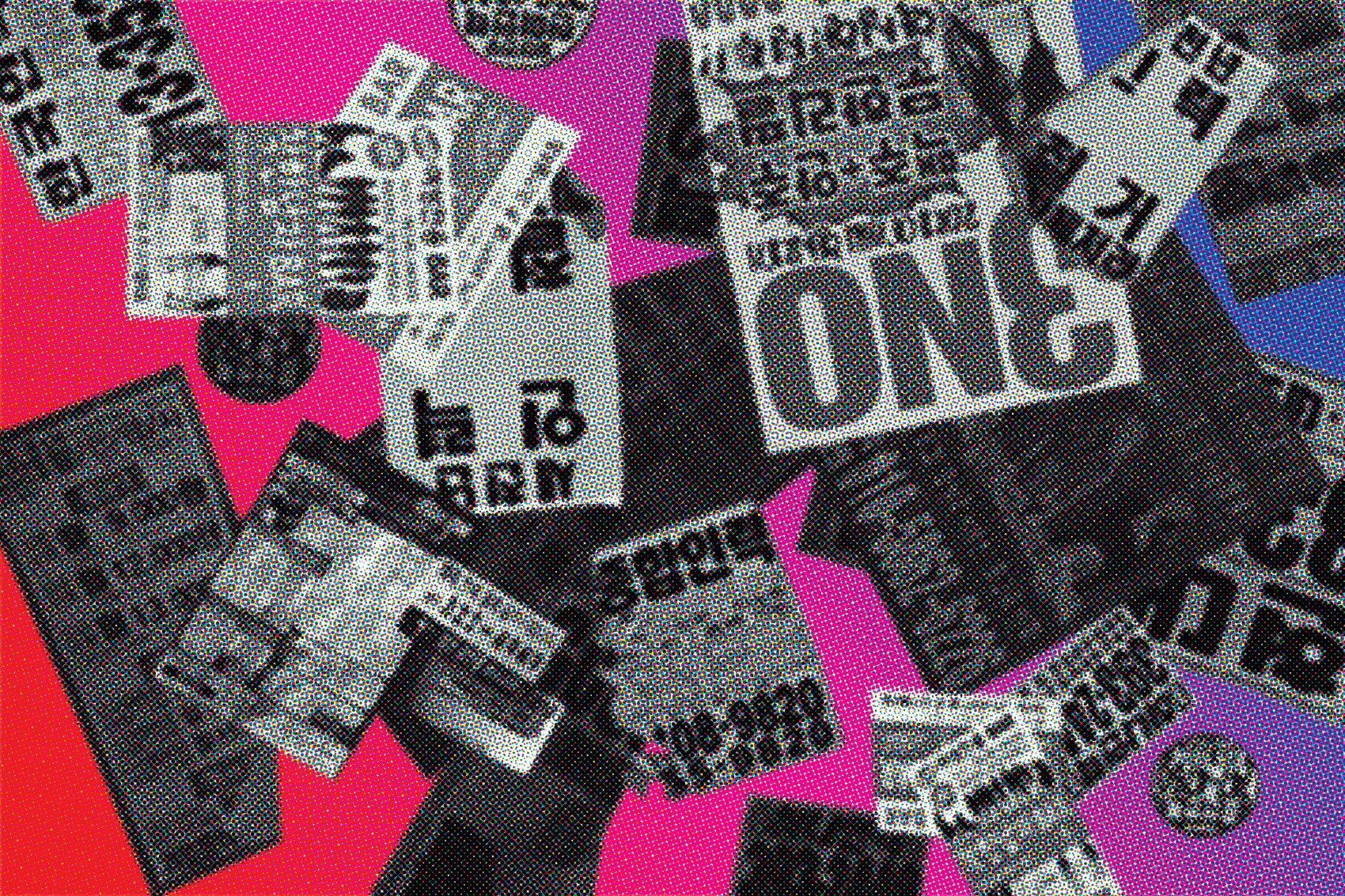
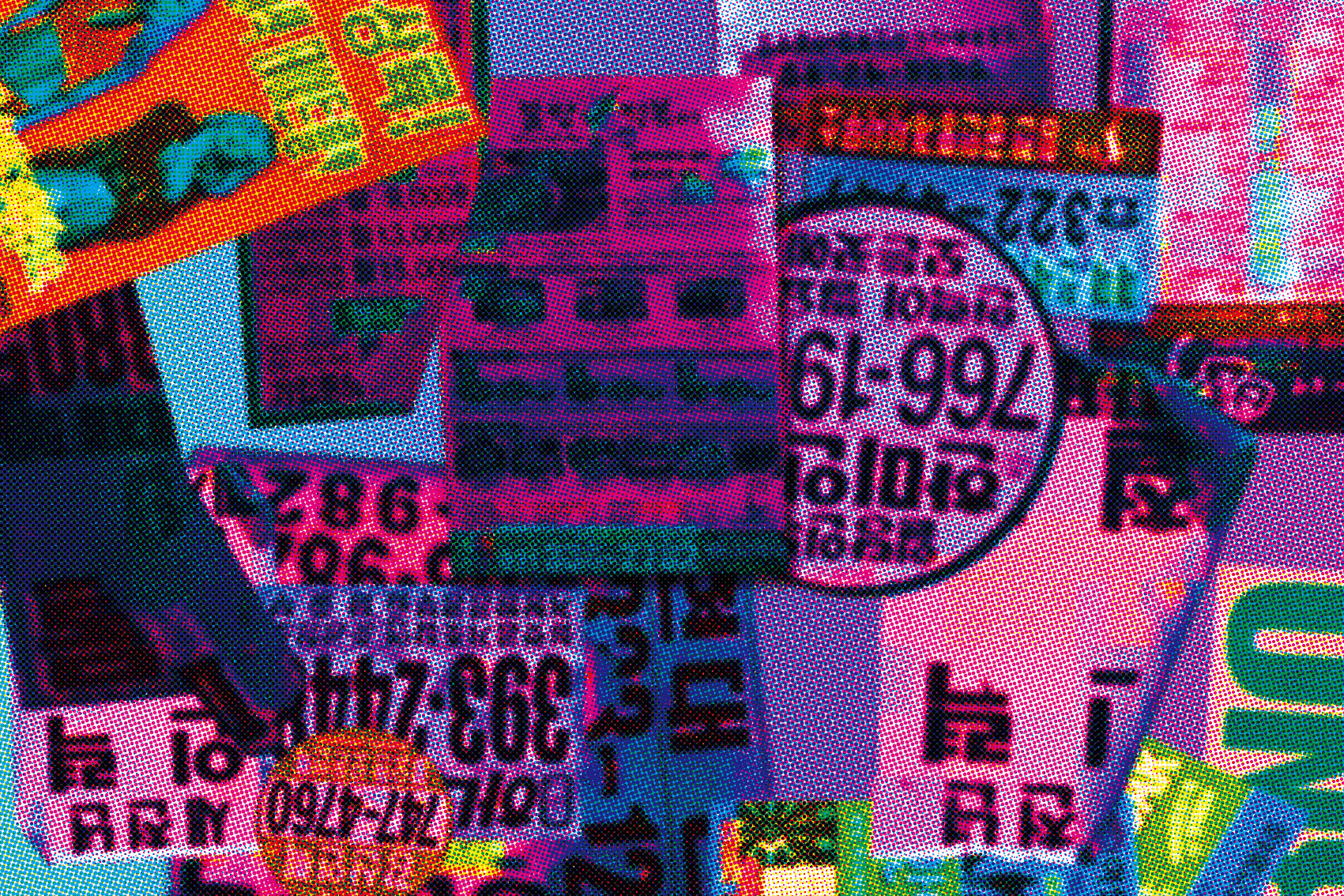
The study focused on materials often dismissed as gaudy yet impossible to ignore, including party invitations, academic announcements, grocery promotions, Chinese restaurant menus, and election leaflets. By dissecting their composition, hierarchy, and visual rhythm, the project revealed a raw typographic energy shaped by urgency, economy, and cultural context. The publication translated these findings into a cohesive editorial system that framed vernacular typography not as noise, but as a vivid and distinctly local visual language.
Ganadara Vol.5 was published by Hangulggol Study Group, a typography collective based in Hongik University devoted to the study and celebration of Korean letterforms. Produced as both a book and exhibition, the volume examined the overlooked typographic landscape of everyday flyers and street notices.
The study focused on materials often dismissed as gaudy yet impossible to ignore, including party invitations, academic announcements, grocery promotions, Chinese restaurant menus, and election leaflets. By dissecting their composition, hierarchy, and visual rhythm, the project revealed a raw typographic energy shaped by urgency, economy, and cultural context. The publication translated these findings into a cohesive editorial system that framed vernacular typography not as noise, but as a vivid and distinctly local visual language.
Ganadara Vol.5 was published by Hangulggol Study Group, a typography collective based in Hongik University devoted to the study and celebration of Korean letterforms. Produced as both a book and exhibition, the volume examined the overlooked typographic landscape of everyday flyers and street notices.
The study focused on materials often dismissed as gaudy yet impossible to ignore, including party invitations, academic announcements, grocery promotions, Chinese restaurant menus, and election leaflets. By dissecting their composition, hierarchy, and visual rhythm, the project revealed a raw typographic energy shaped by urgency, economy, and cultural context. The publication translated these findings into a cohesive editorial system that framed vernacular typography not as noise, but as a vivid and distinctly local visual language.